Acoustic Felt Panels

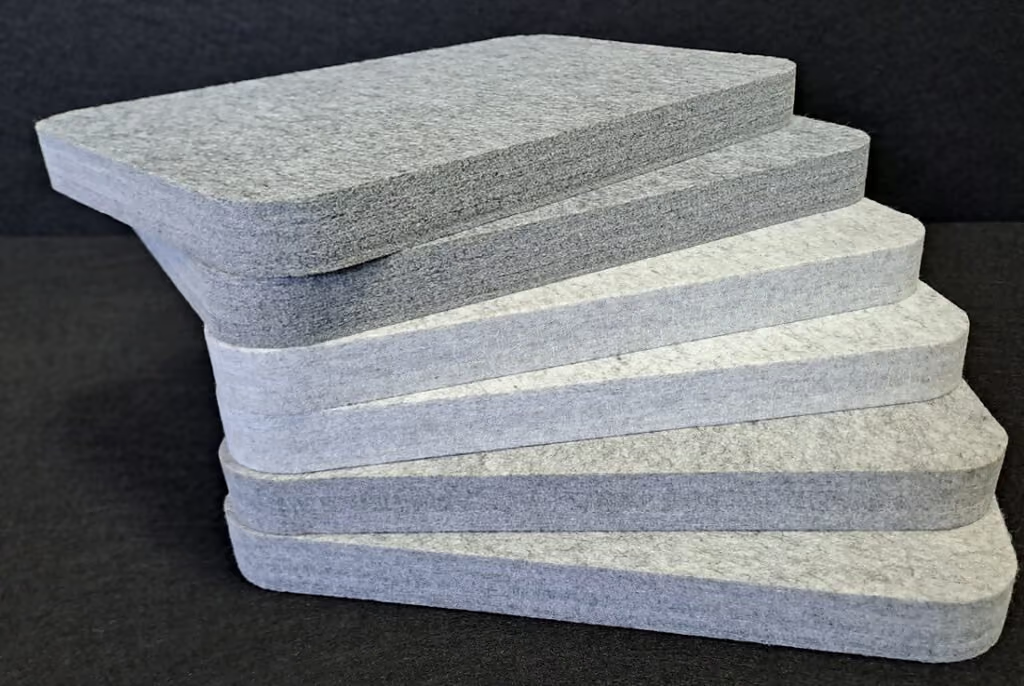
Felt made from recycled plastic bottles, with no mineral fibres
Strongest in the mid-to-high frequencies where speech sits
Felt cuts cleanly, so shapes, logos and cut-outs are practical
Recycled-content claims differ between brands, so we ask for the declaration
Acoustic Felt Panels
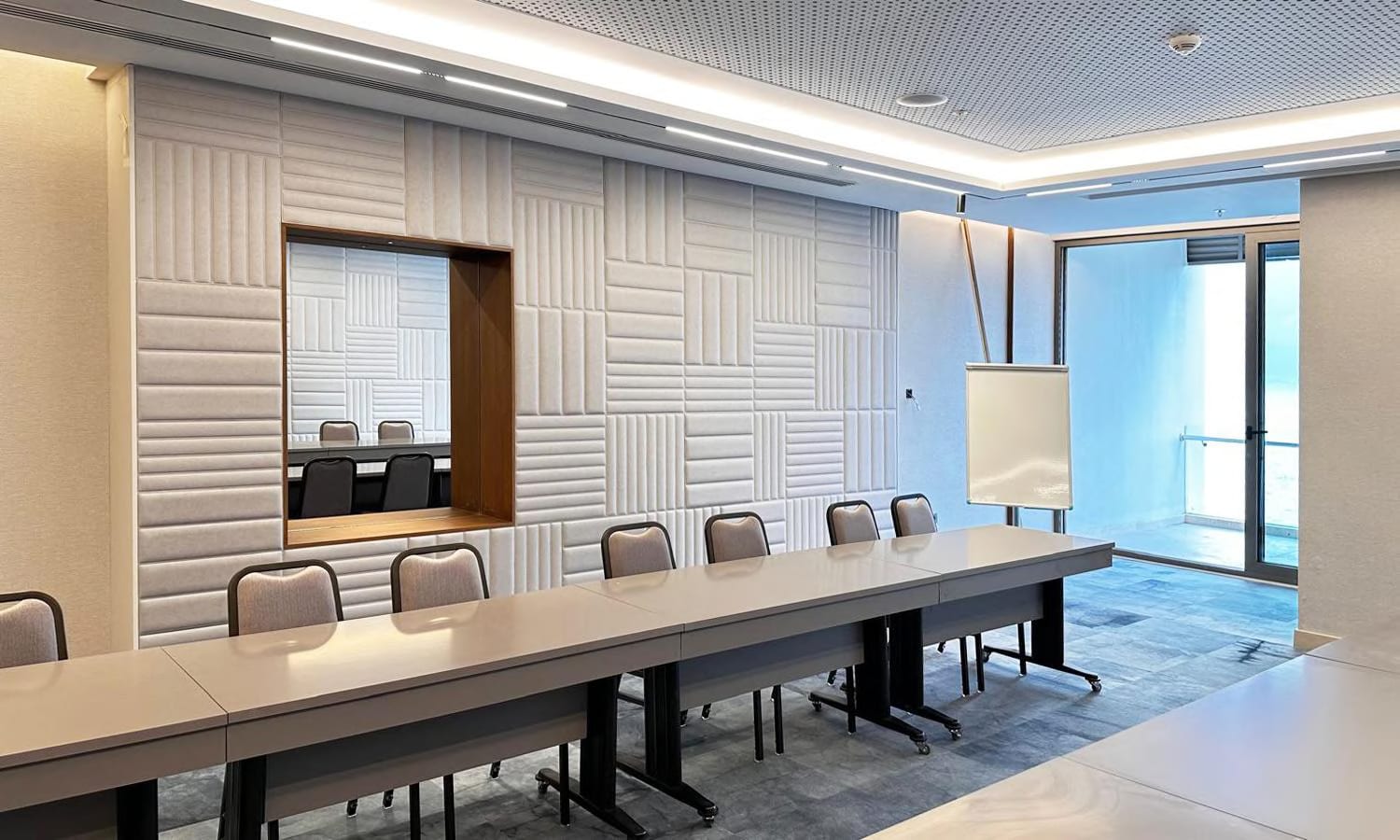
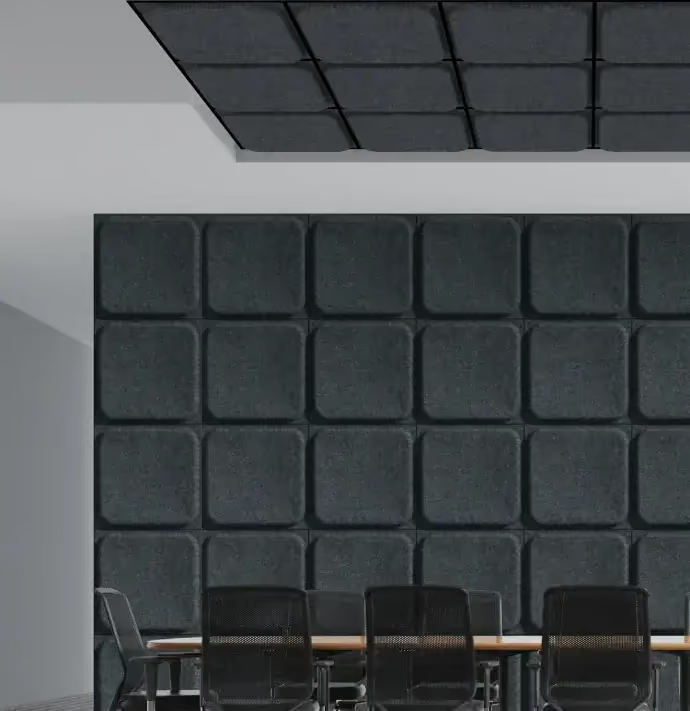
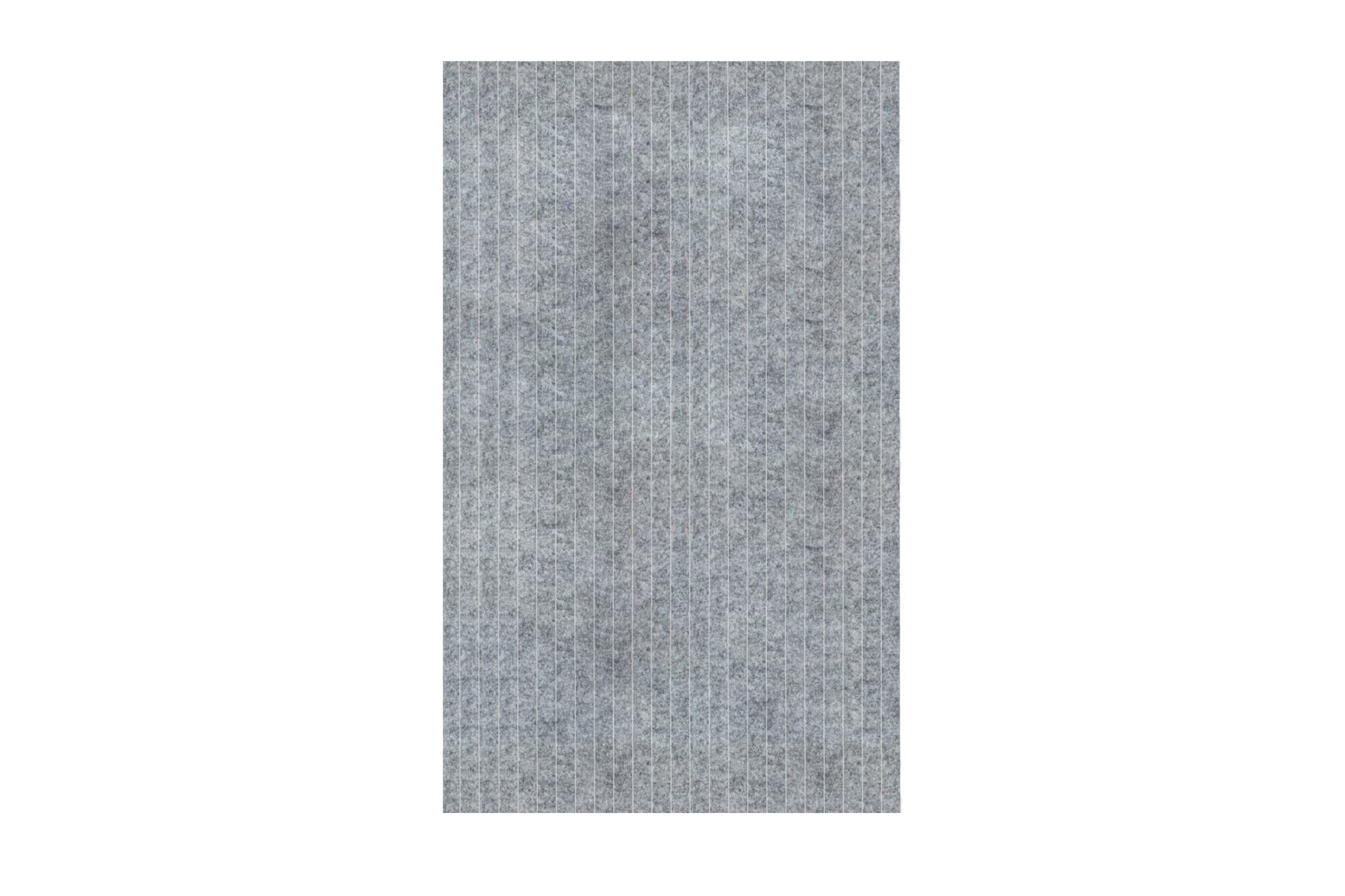
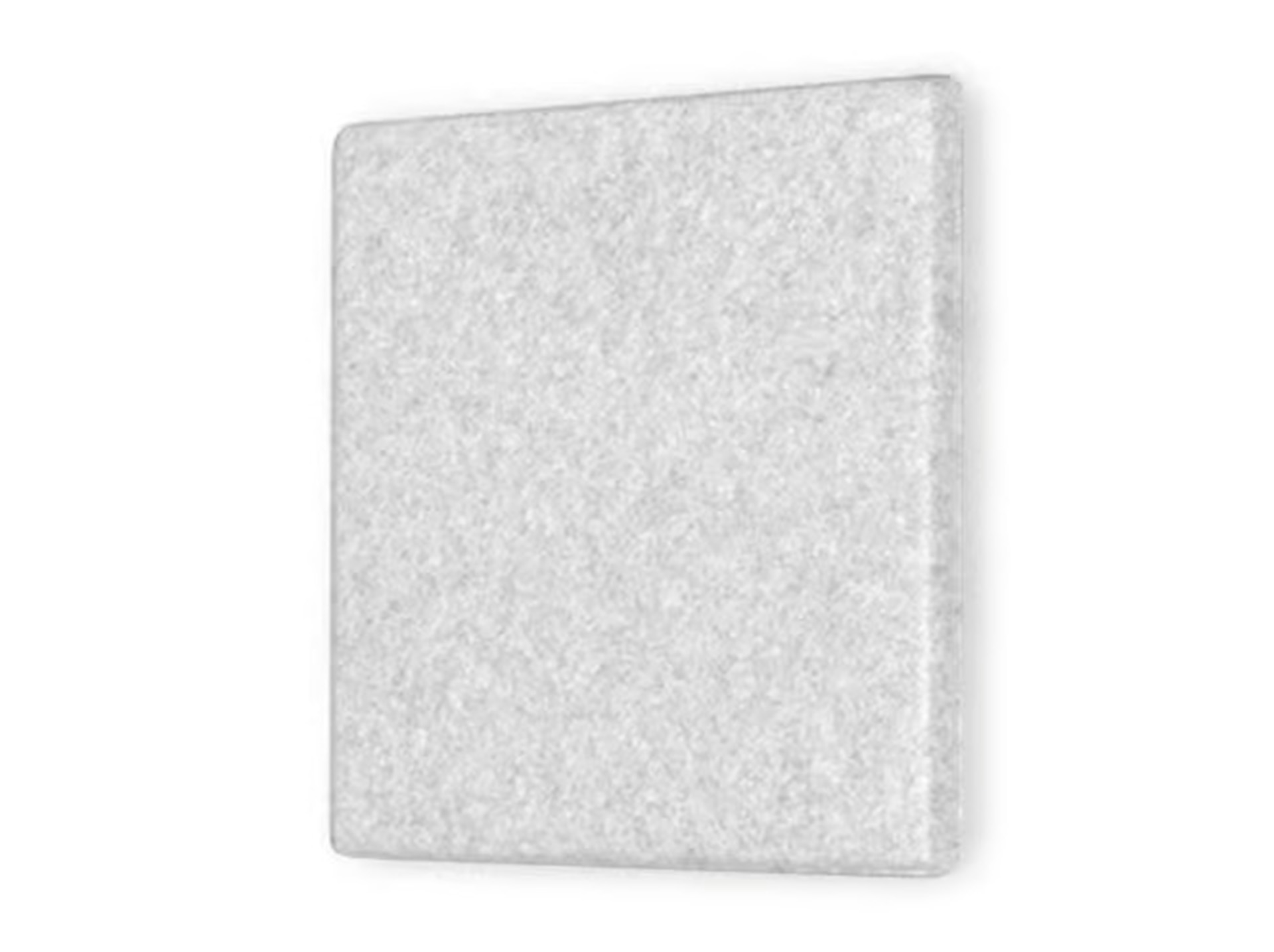
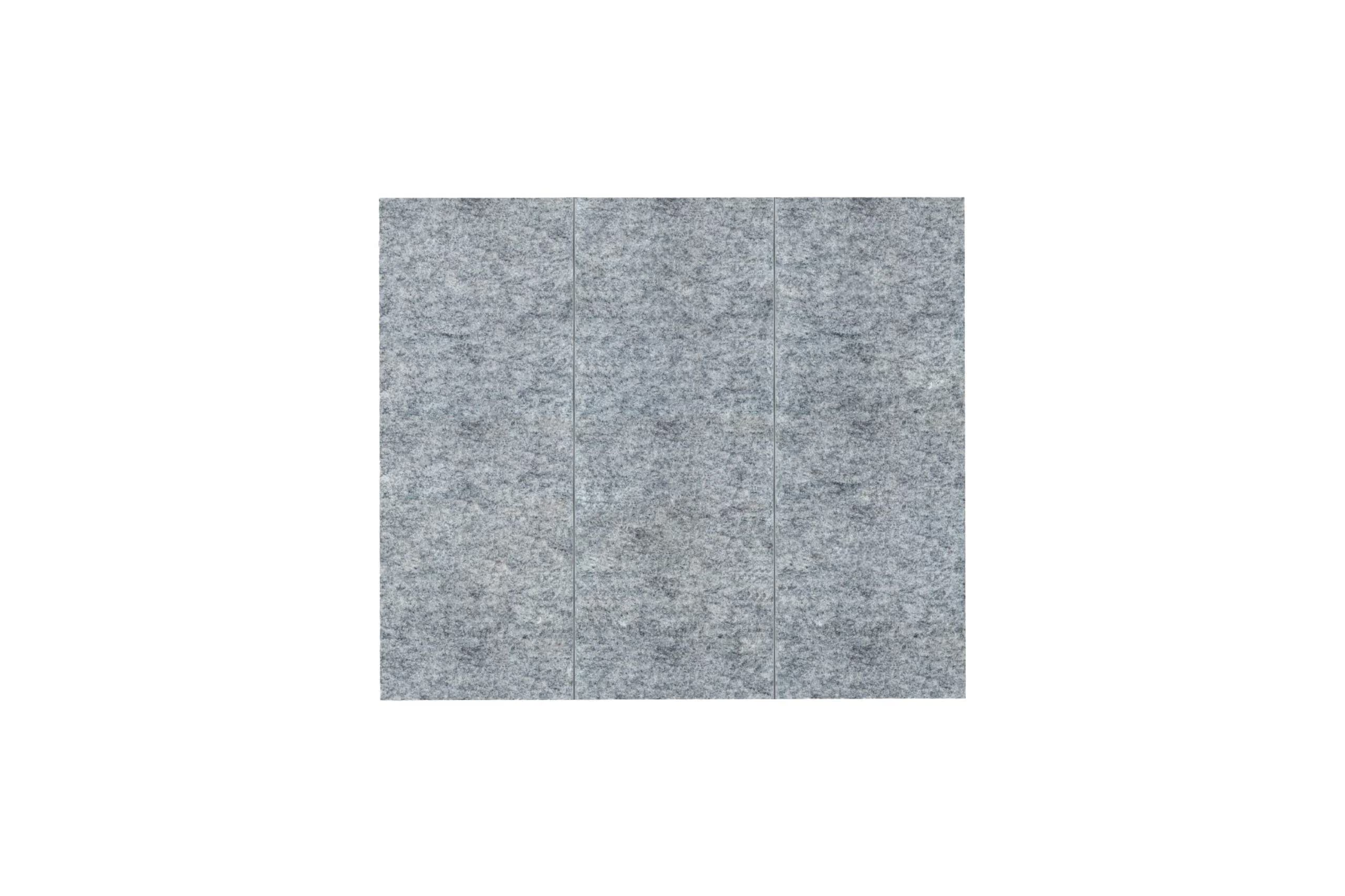
Acoustic felt panels are sound-absorbing wall panels made from PET felt, spun from recycled plastic bottles. They absorb across the mid and high frequencies where speech and everyday office noise sit, so echo falls and speech is clearer in offices, classrooms and reception areas.
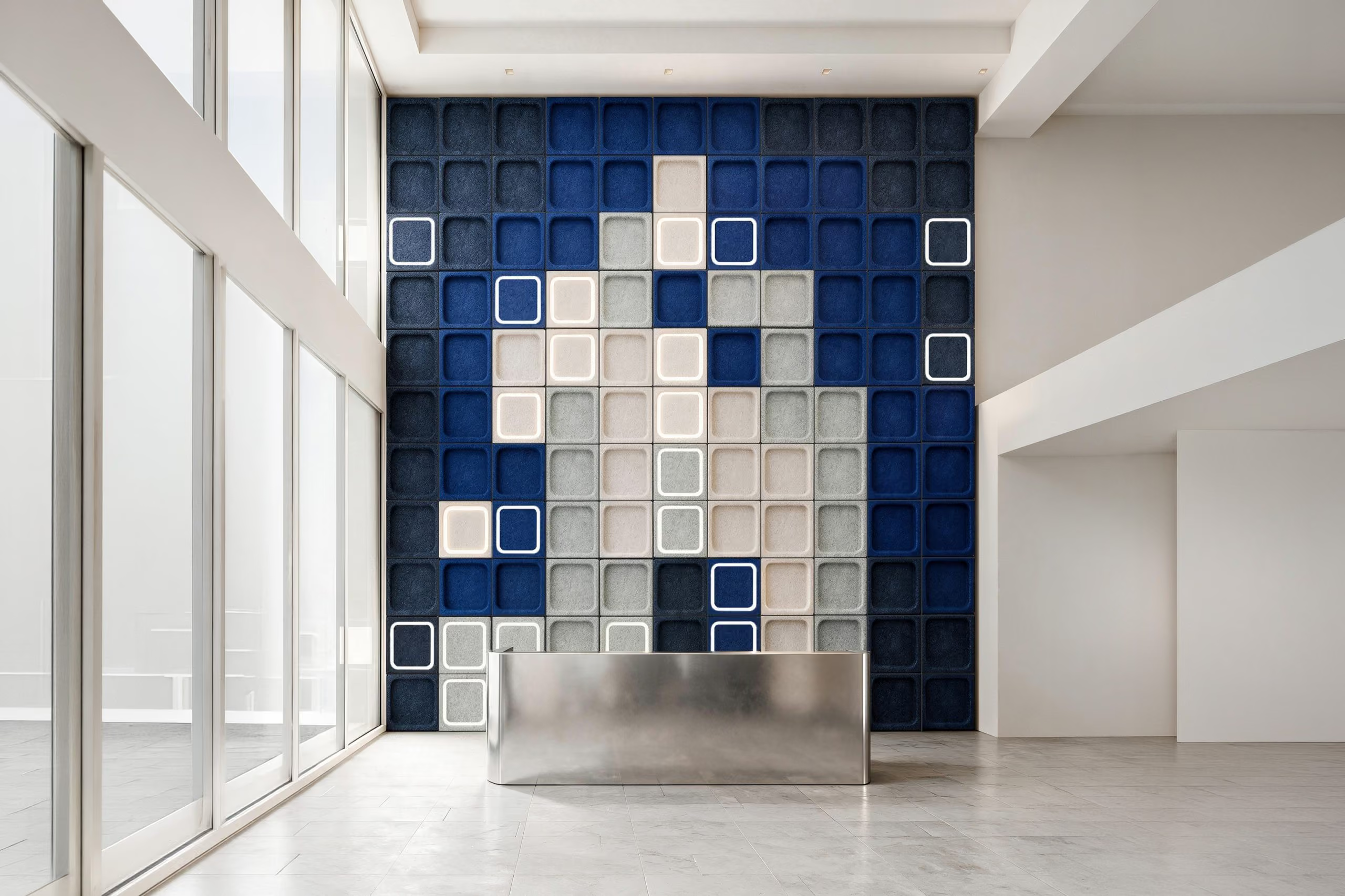
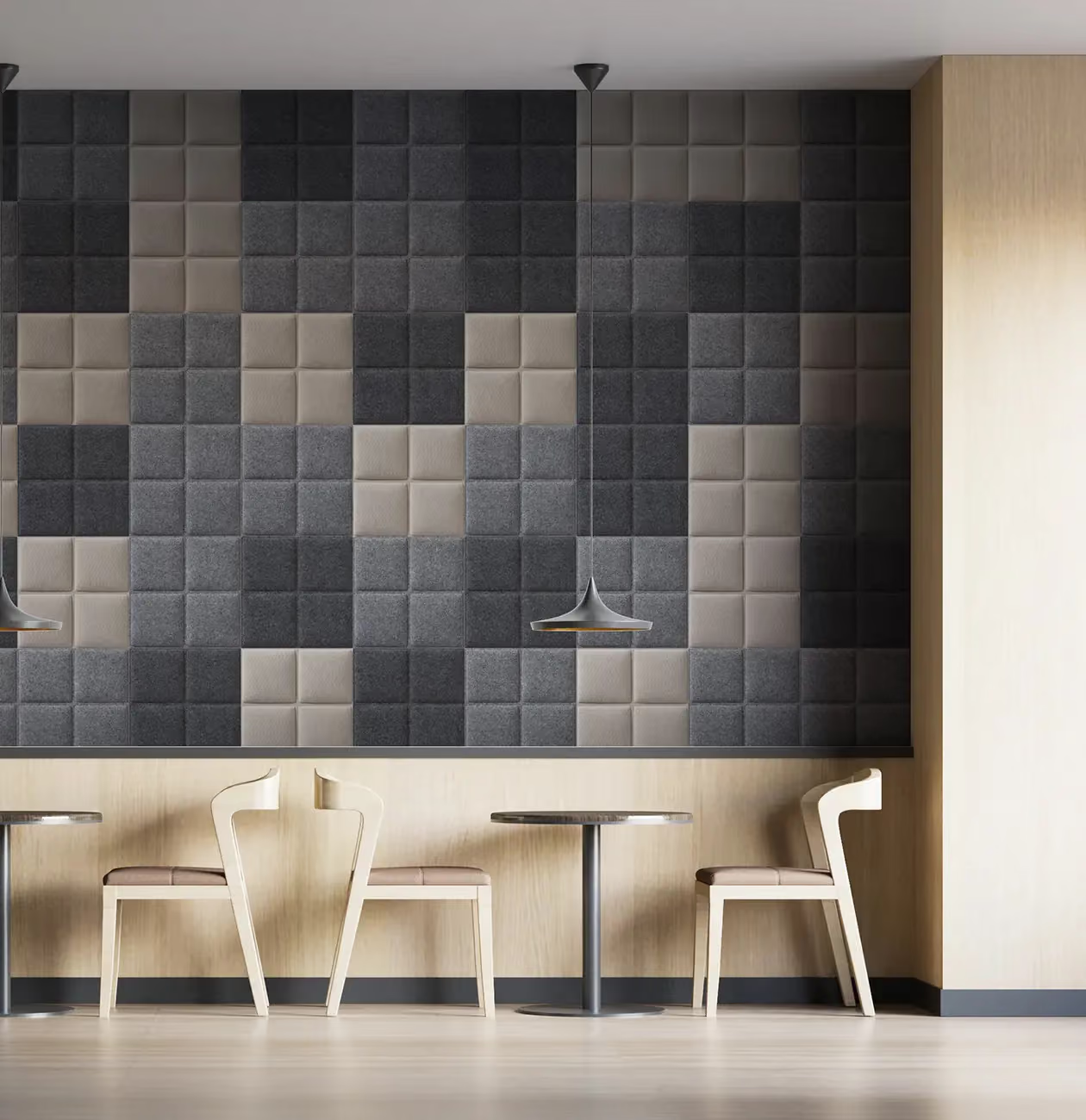
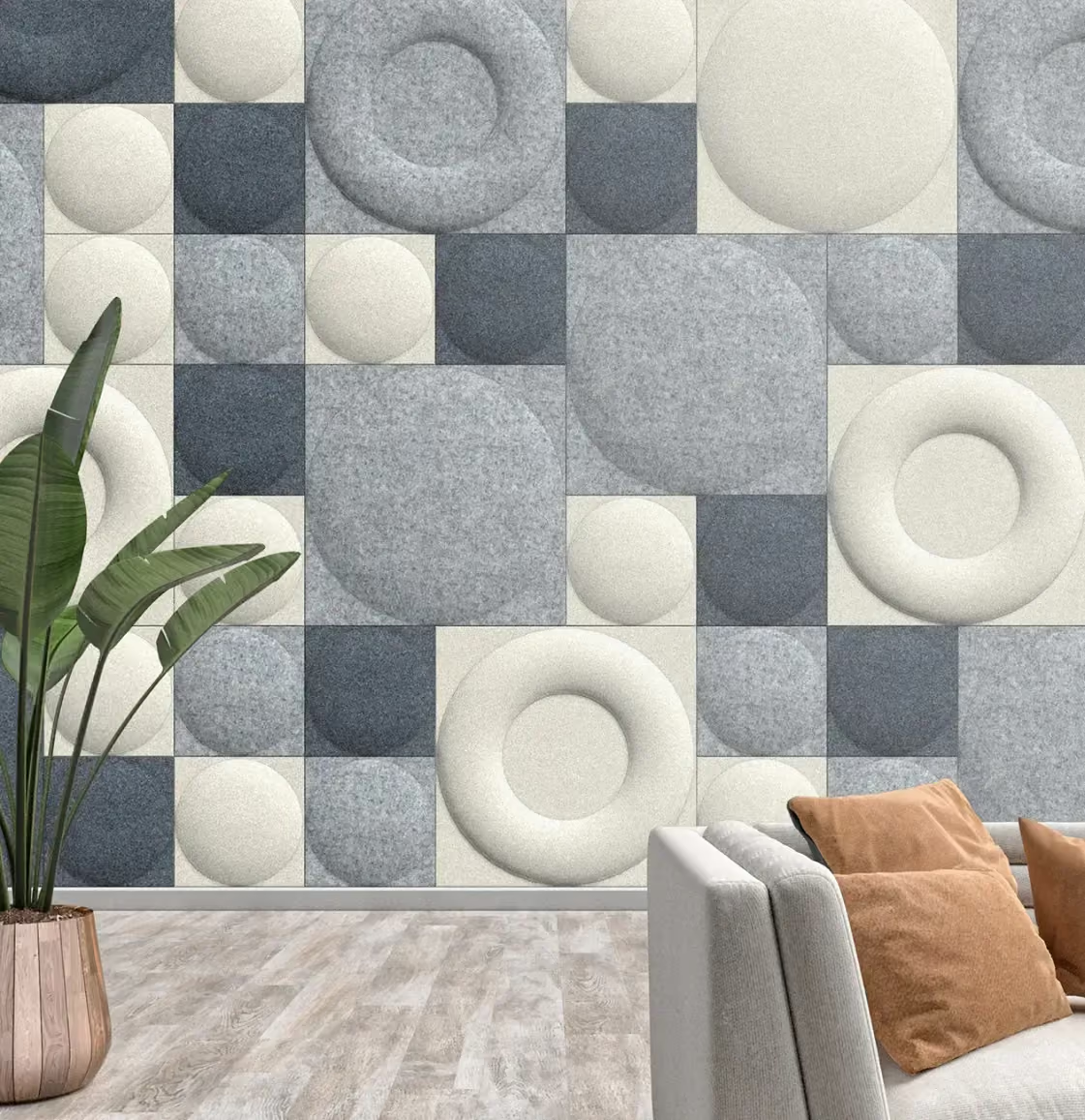
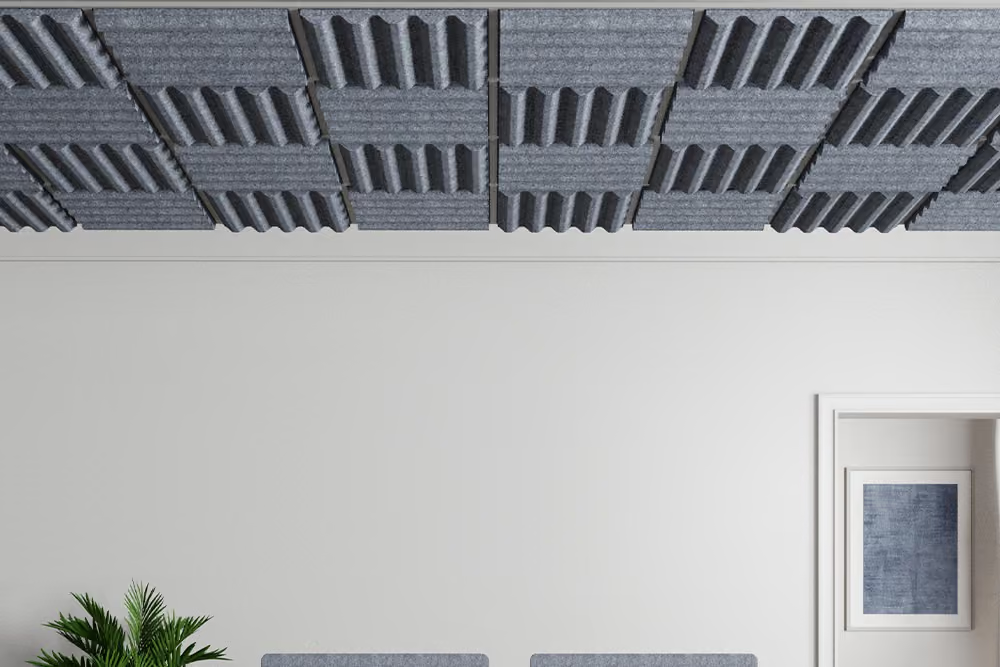
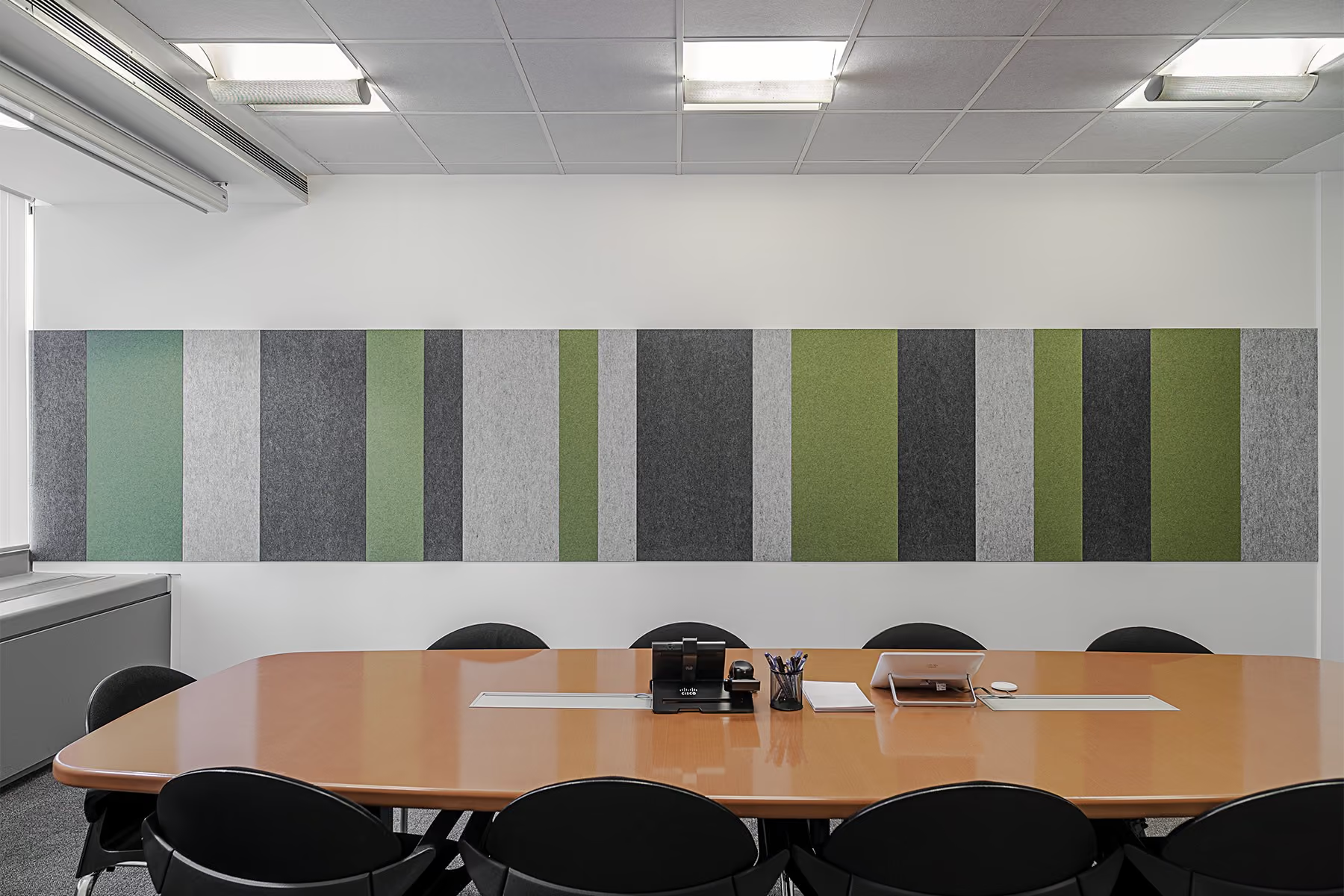
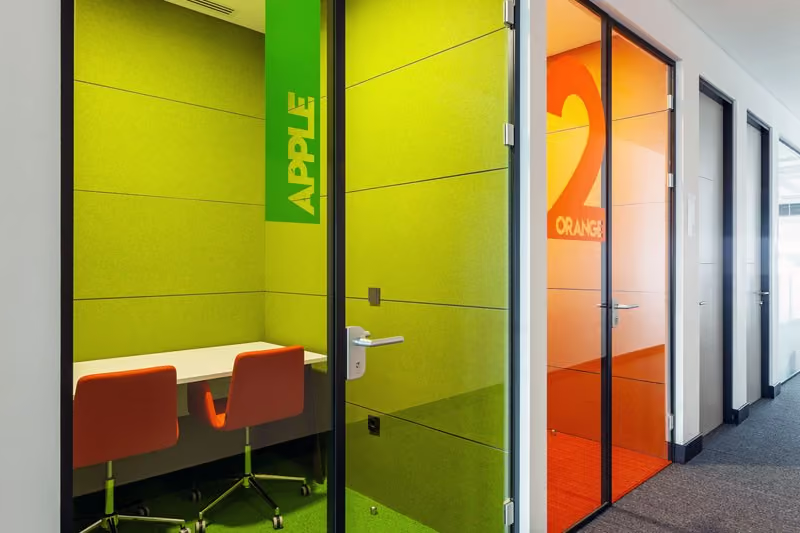
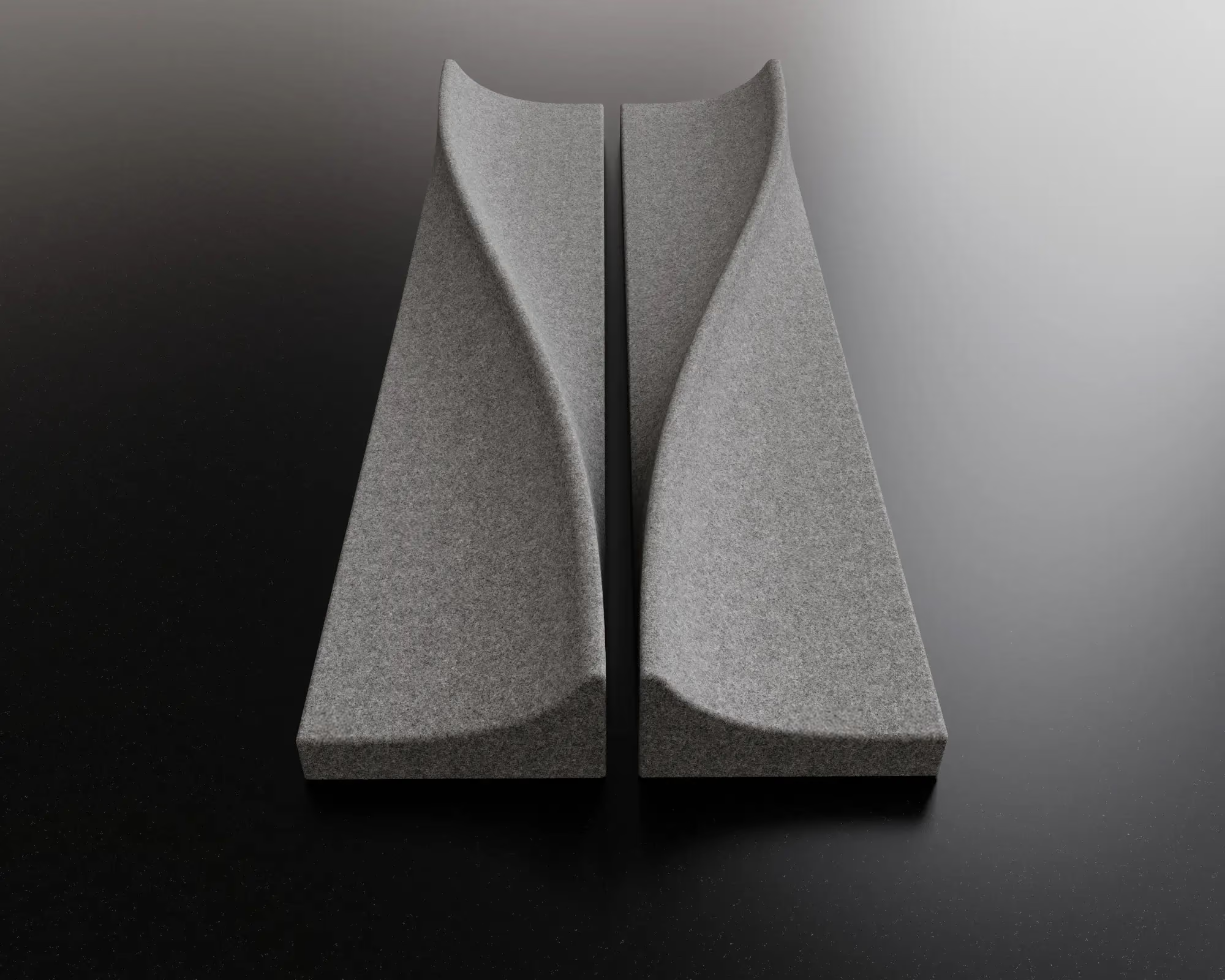
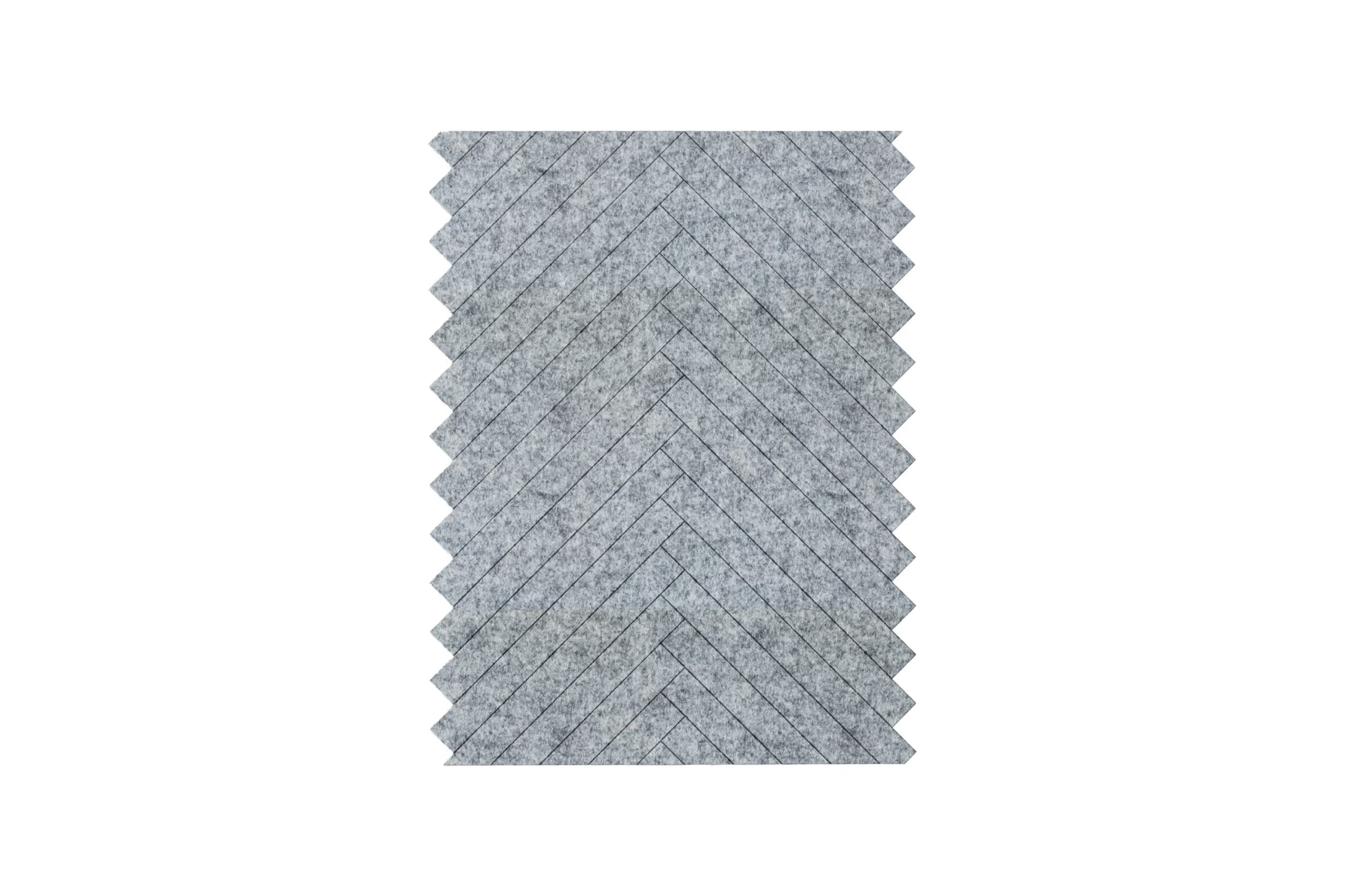
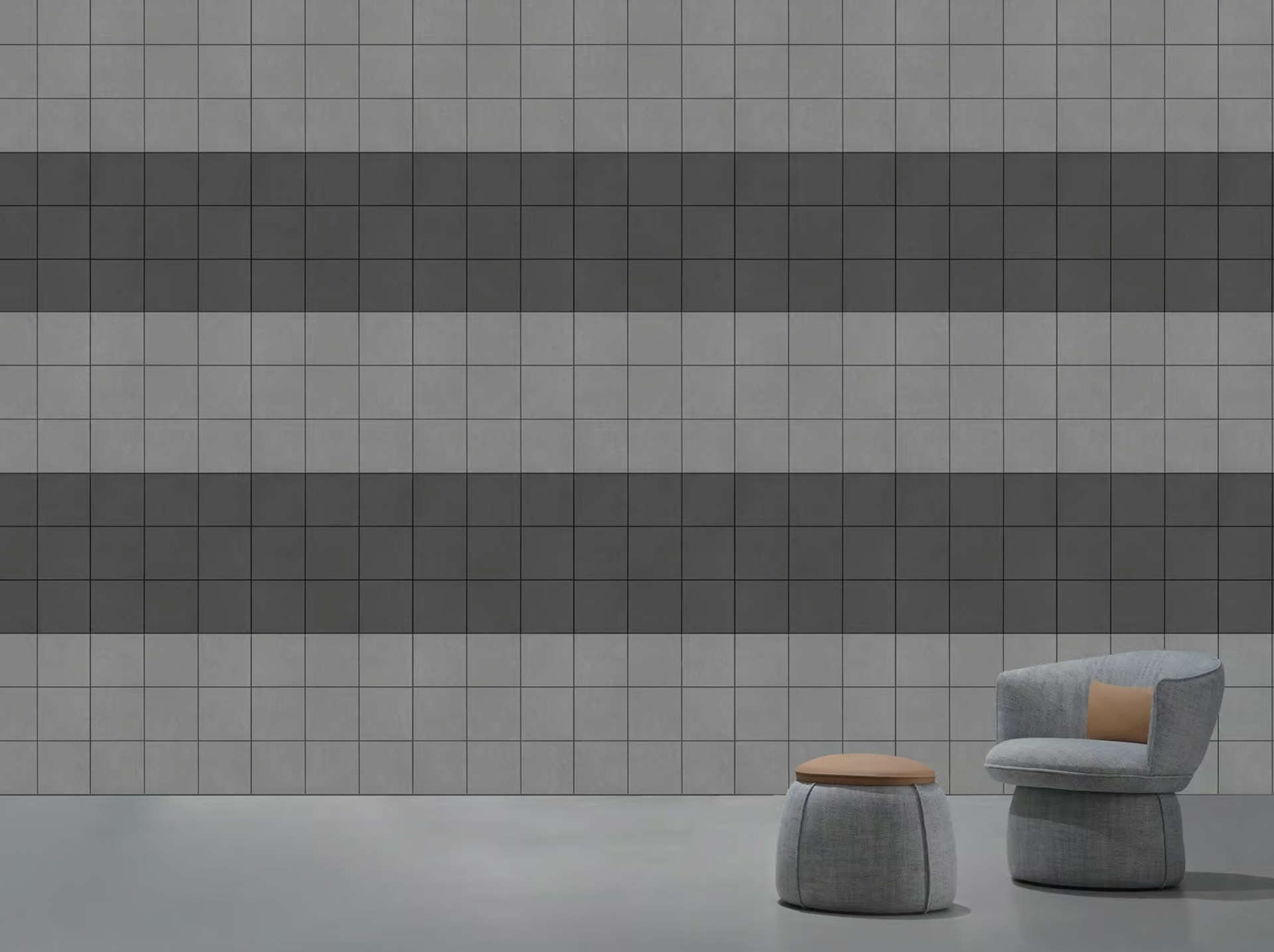
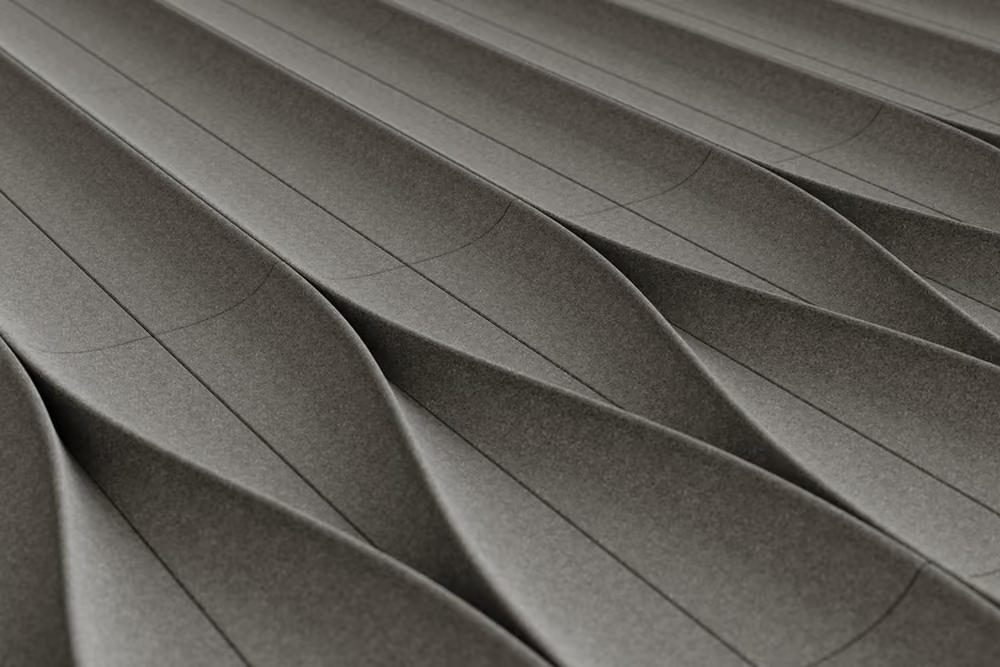
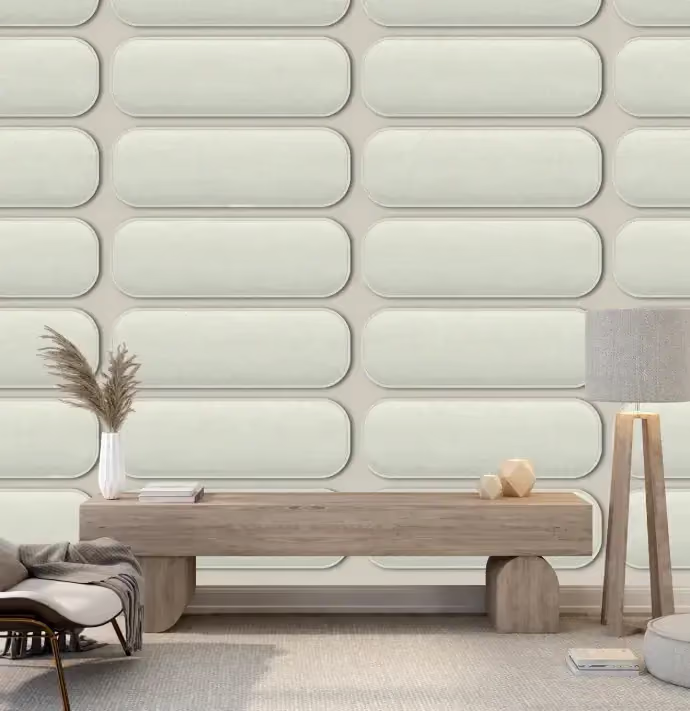
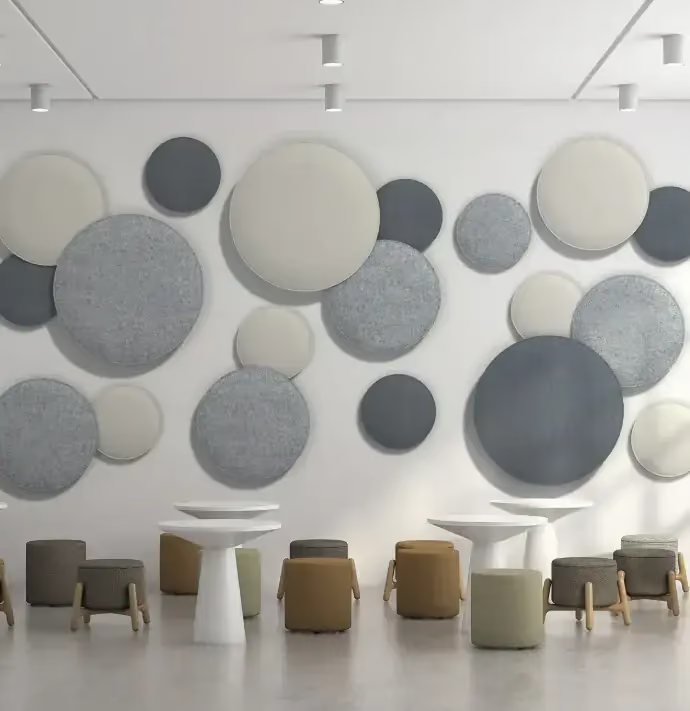
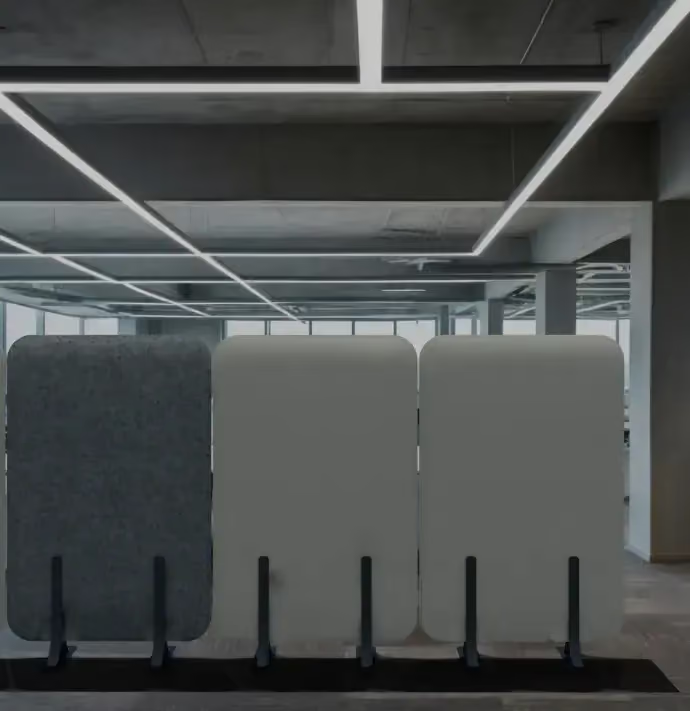
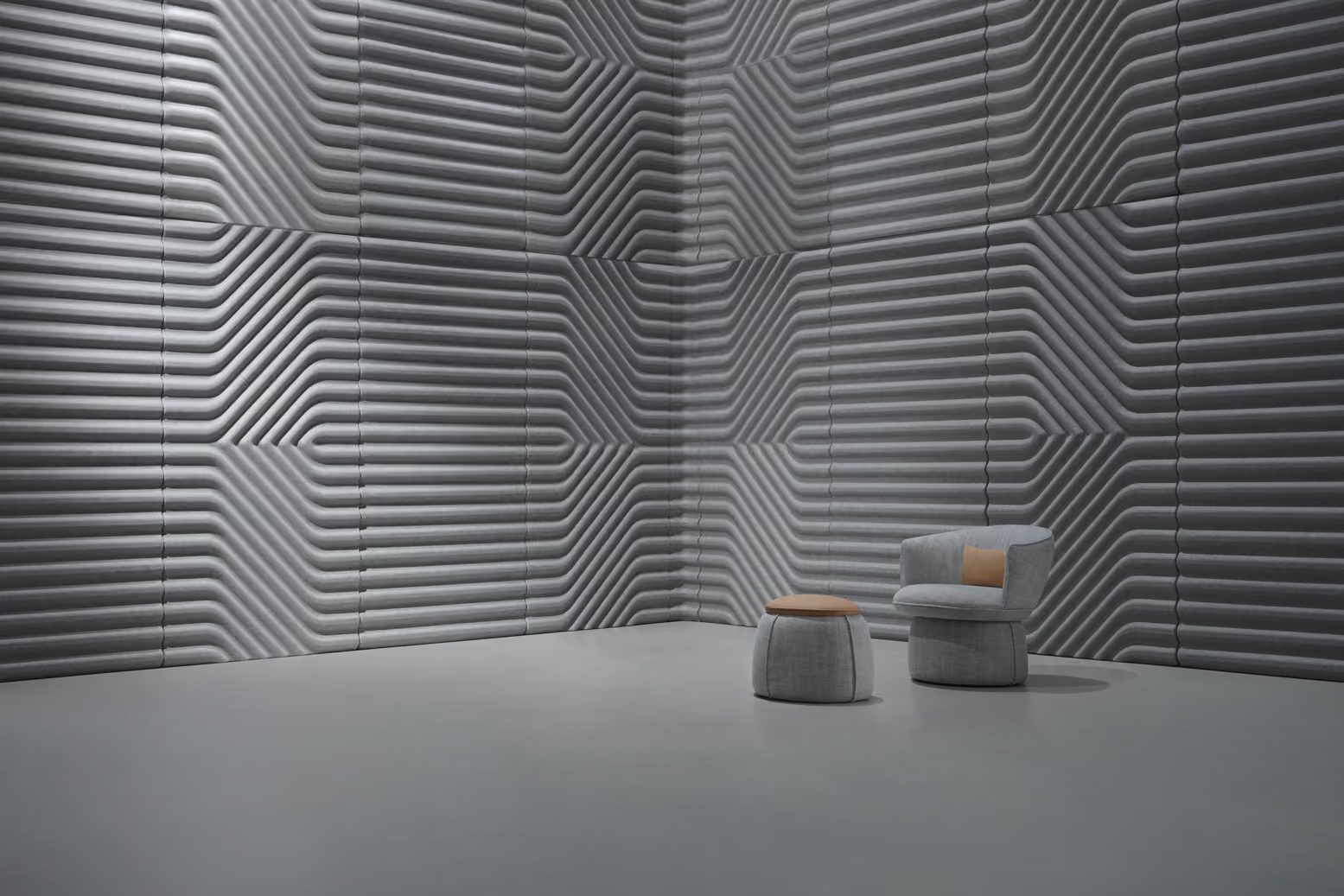
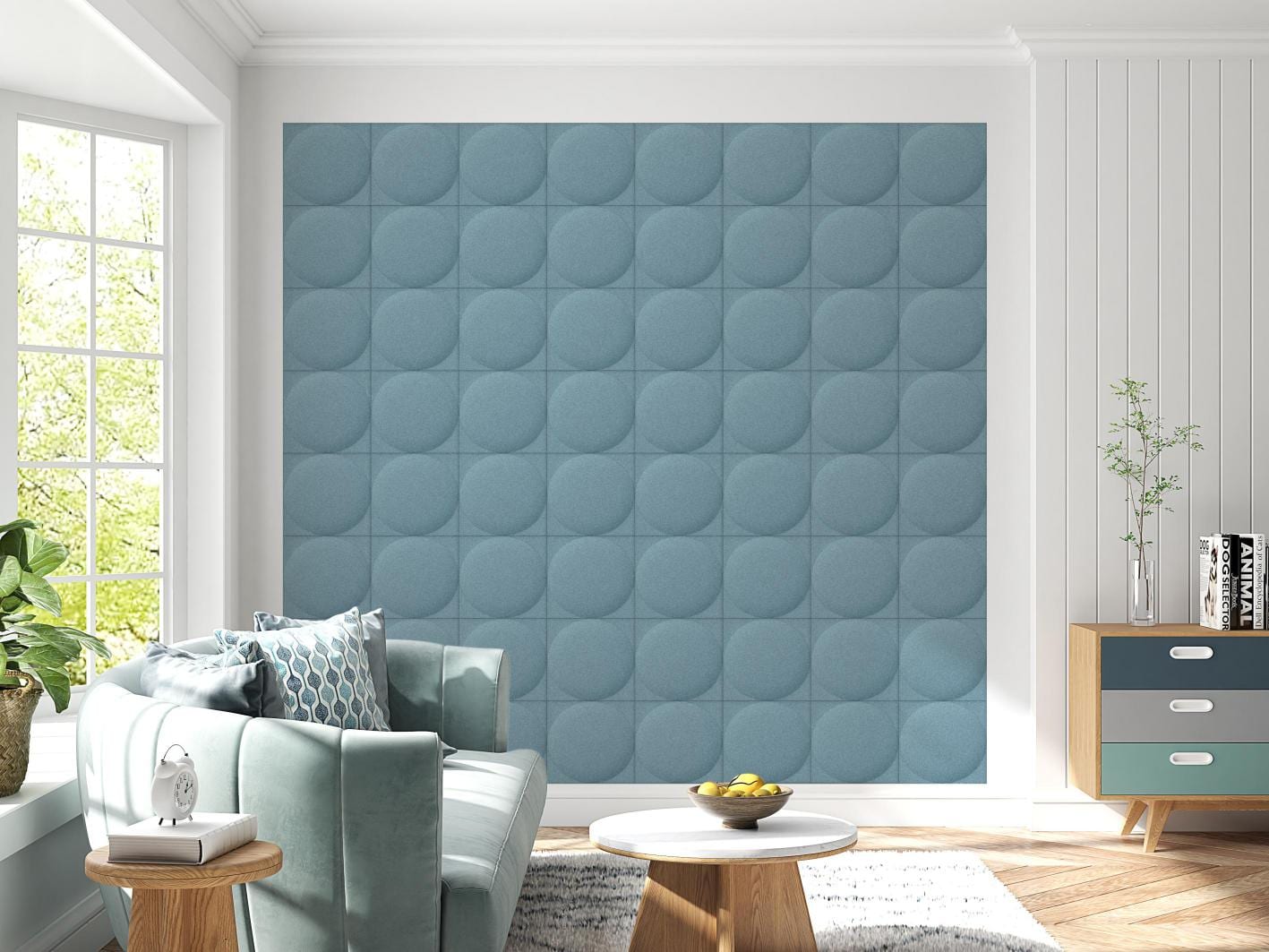
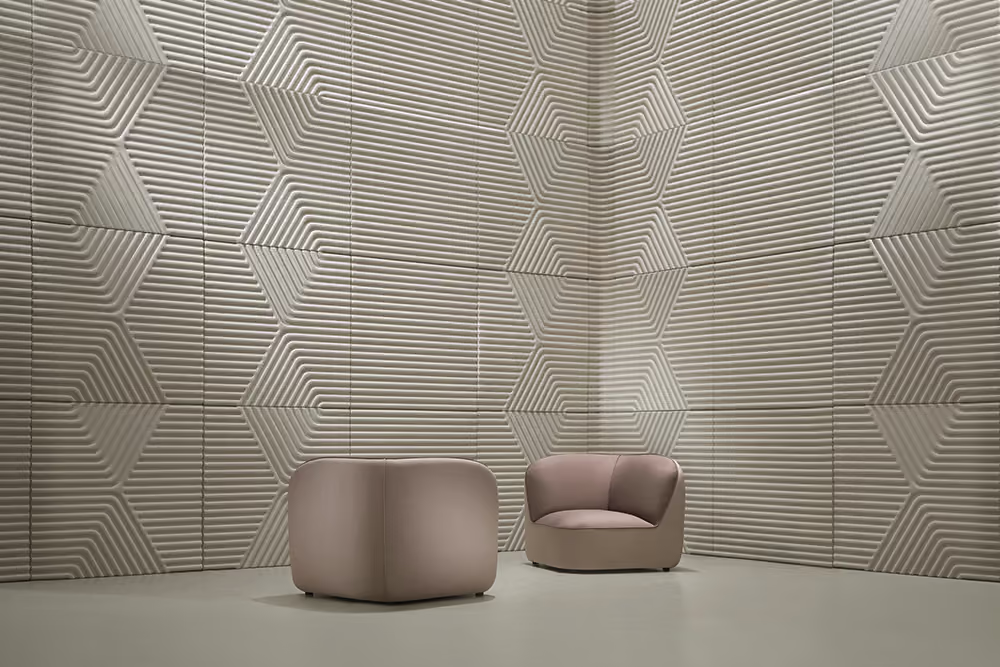
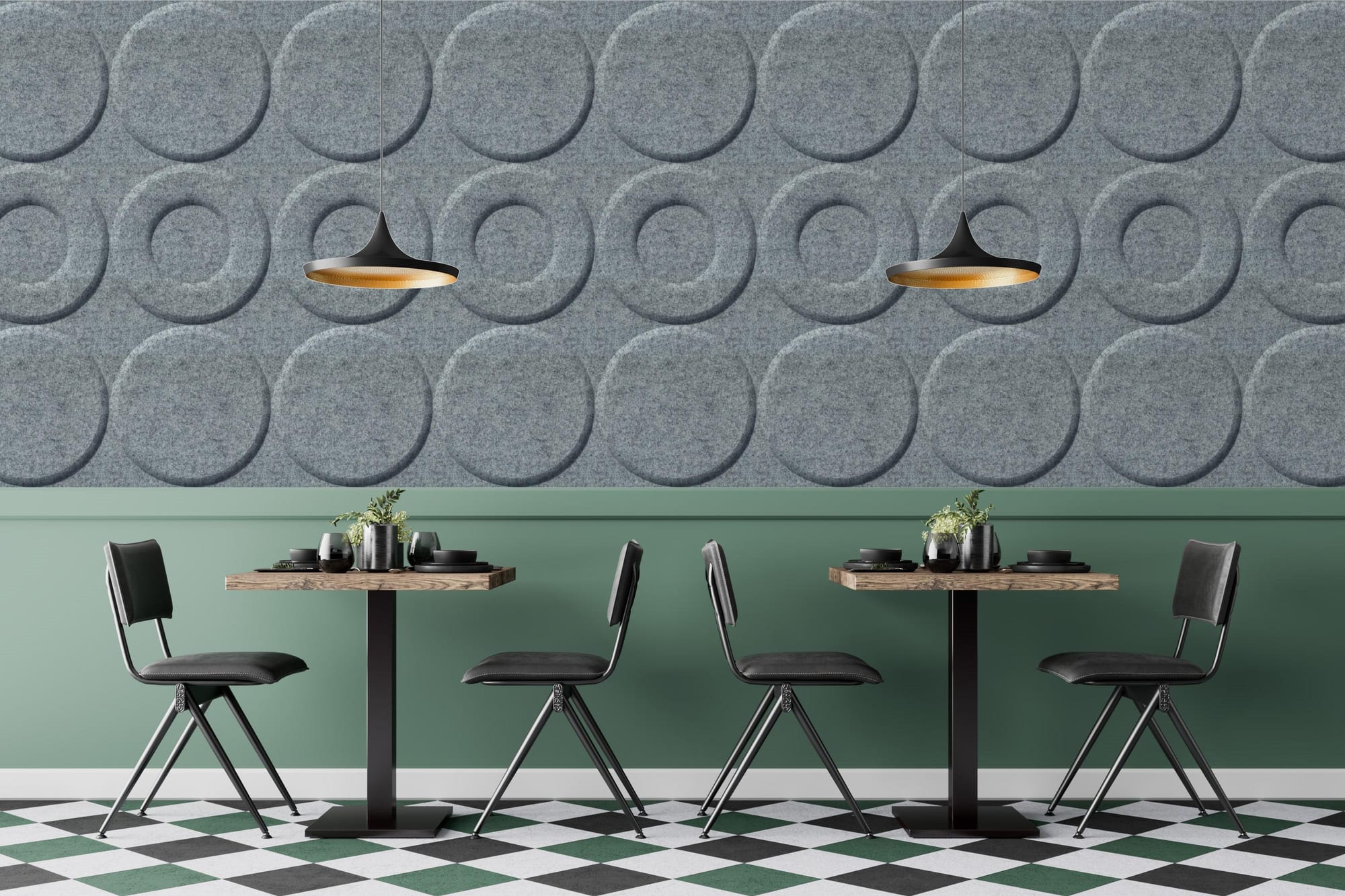
The felt takes colour and texture well, so bold wall colours, sculpted surfaces and cut-to-shape branding can all be specified. It is lightweight and low-maintenance. We help you choose colour, texture and absorption from the manufacturers we work with, then supply and install across the UK.
Sound absorption
Recycled felt absorbs mid and high frequencies.
Design flexibility
Bold colours, 3D textures and cut-to-shape branding.

Acoustic Felt Panels
Explore more acoustic products











From first survey to final finish
Seven stages, one point of contact. Book a free survey or call +44 1908 880191, and we'll come back to you with the next step.

An acoustician visits the site, or works from your drawings and photos when a visit isn't practical. Either way, the room, its surfaces and how it is used are recorded before any advice is given.

Reverberation, ambient noise and noise transfer are read against what the space is used for. The findings arrive as an AI-assisted acoustic report with recommendations, yours to keep with no obligation to proceed.

Treatment is modelled against a reverberation target, then drawn up with panel positions, fixings and finishes. Nothing moves forward until you have approved the design.

Every quotation comes with the specification behind it, listing products by type, quantity and finish with costs set out line by line. What is quoted is what the design calls for.

Panels, baffles, ceilings and screens come from the manufacturers we work with and are supplied to the approved specification. What arrives on site matches what was designed.

Our installation team fits to the approved drawings, checking positions and fixings as they go. One team supplies and installs the treatment.

Optional paid add-on: after fit-out the space can be measured again and compared with the original survey, so the improvement is measured rather than assumed. Compliance testing is carried out with our testing partner, EMC Acoustics, and the written record goes into your building file.
Trusted on schools, venues and landmark halls







Specification, performance and installation
Your product questions, answered.
For speech and everyday office noise, yes in practice. PET felt is strong in the mid and high frequencies where those sounds sit, while mineral wool usually has a small edge at the same thickness and at low frequencies. Compare tested absorption class rather than material name, and ask for the test report for the exact panel.
Yes, PET felt is a single-polymer material that can be recycled again, which keeps it out of landfill. Recycling routes depend on the manufacturer and how the panel is finished, so ask the supplier for take-back or recycling information if this matters to your project or your sustainability reporting.
PET has no glass or mineral fibres and is a common specification in education. Check the panel's fire rating for the room, because schools have their own fire requirements, and ask the manufacturer for the fire and emissions documentation before you order.
Colour is controlled within a production batch, so a large order from one batch will match. Ordering in stages from different batches can show slight variation. We plan quantities up front, including spares, so the whole project comes from a single batch wherever possible.
Yes, felt cuts cleanly, so shapes, logos and cut-outs are practical. Cutting is done in the factory to confirmed dimensions rather than on site, which keeps edges neat and avoids waste. Send us the drawing and we confirm what the chosen felt thickness allows.
Too noisy? Let's talk silence.
Book a FREE site survey, and an acoustician will tell you exactly what your space needs. Rather talk first? Call +44 1908 880191.