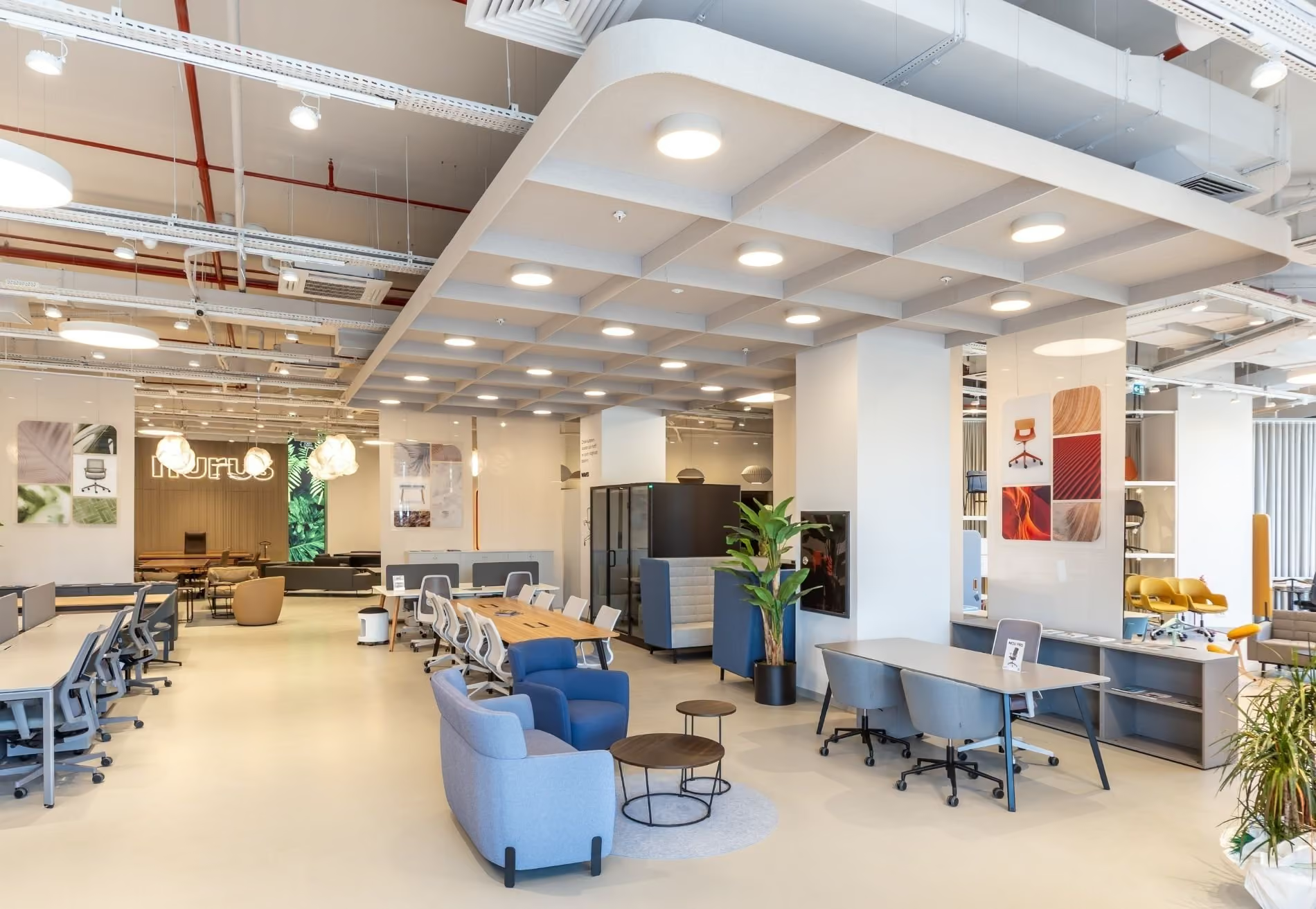
Acoustic Lighting
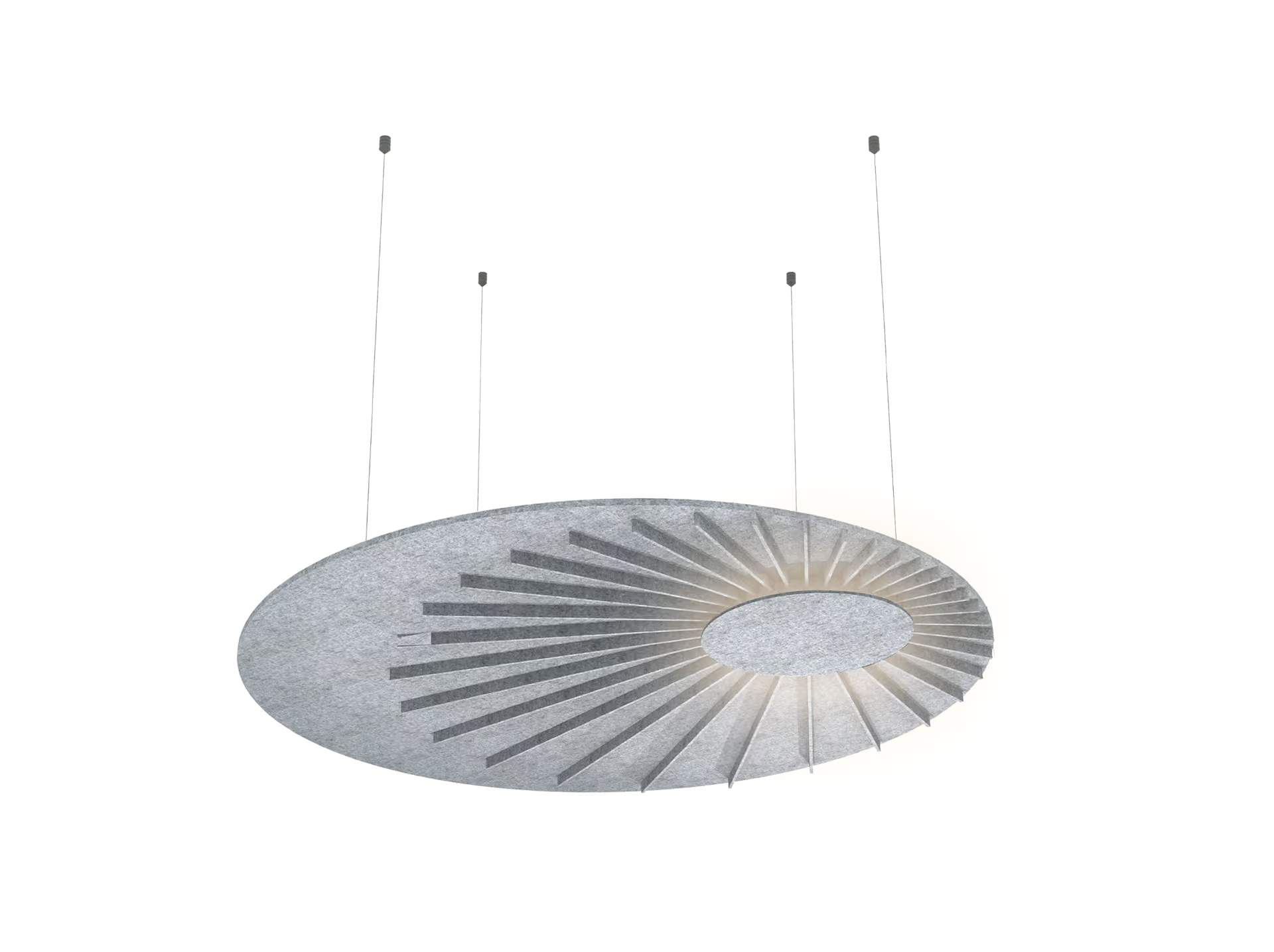
One fitting does the job of two: the light and the absorber
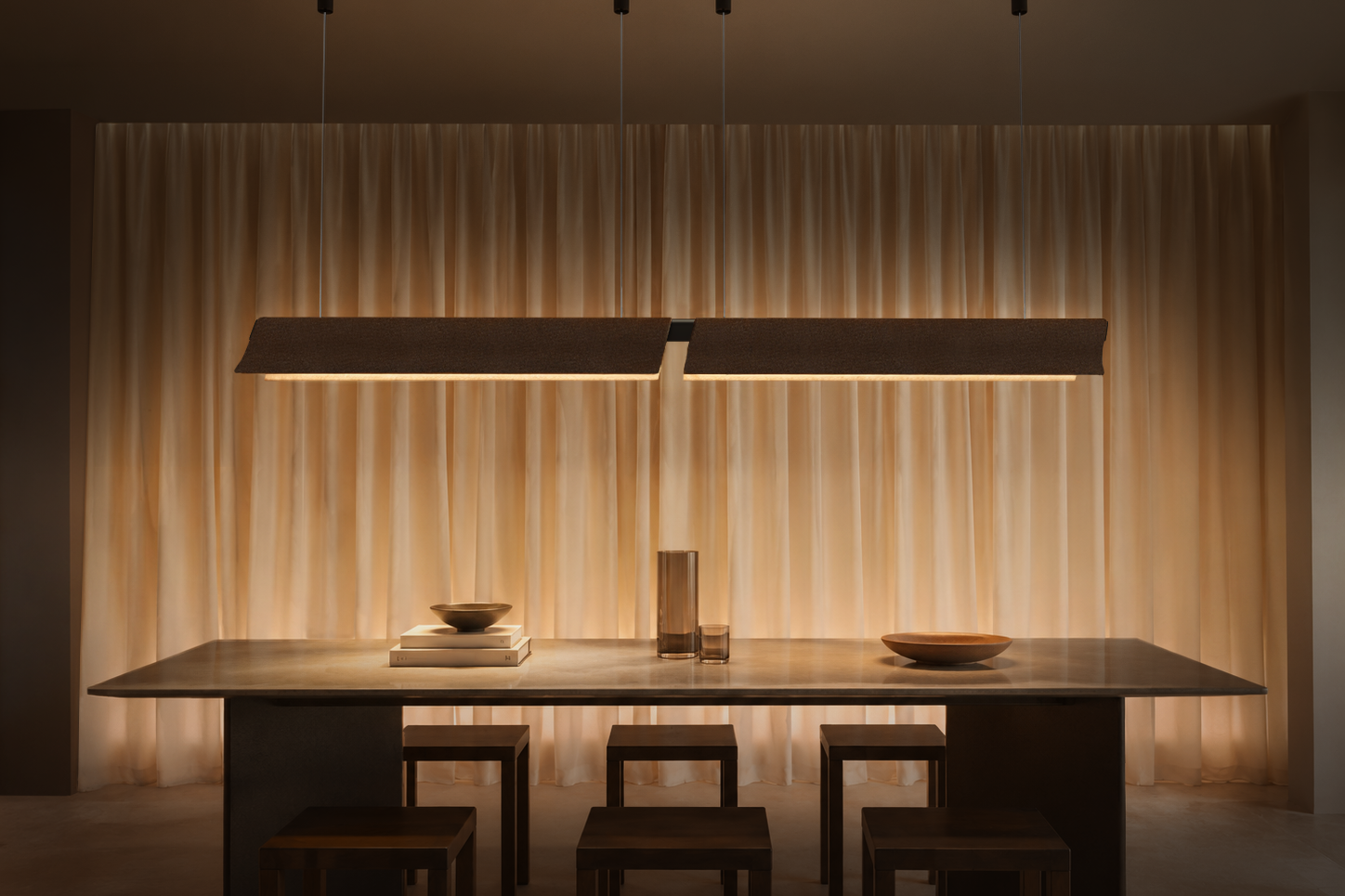
Absorbing sound doesn't dim it, because the felt body diffuses the light
Uses the ceiling space you already give to lighting
Felt near a light source needs a heat and fire check, so we specify both together
Acoustic Lighting
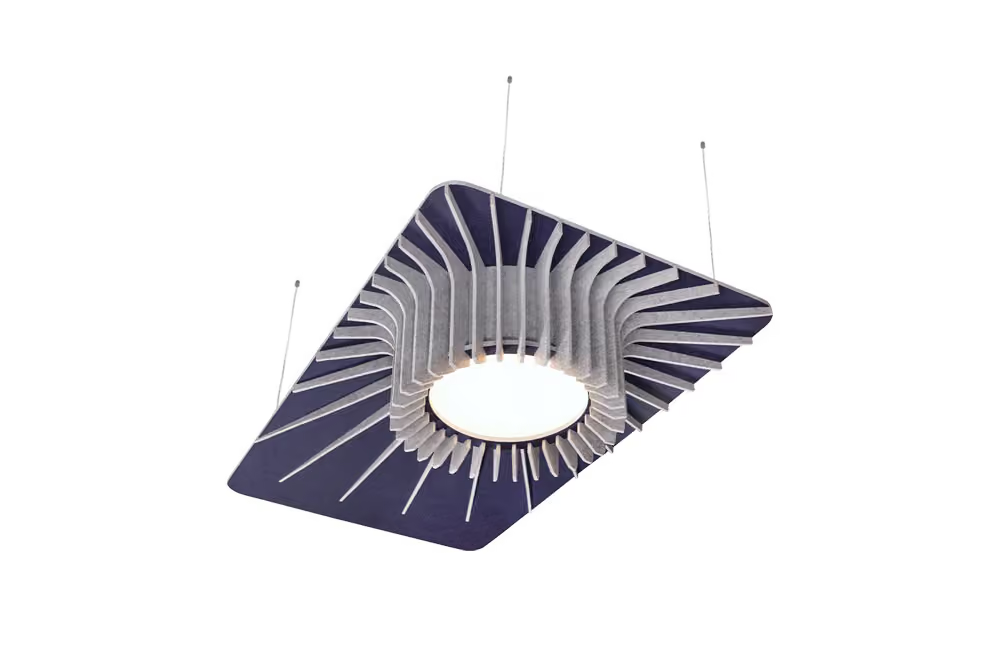
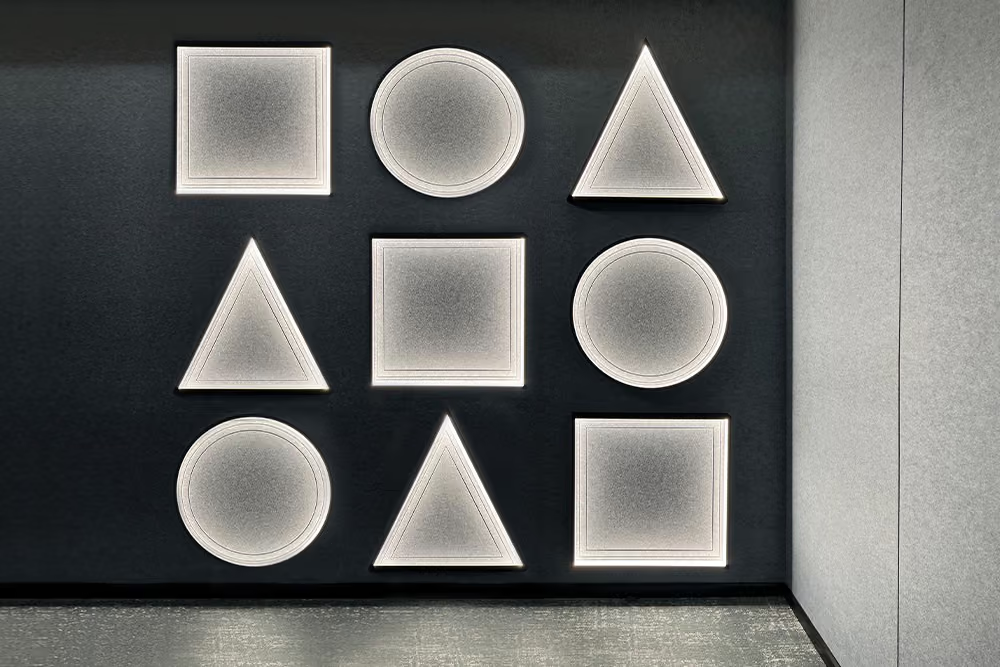
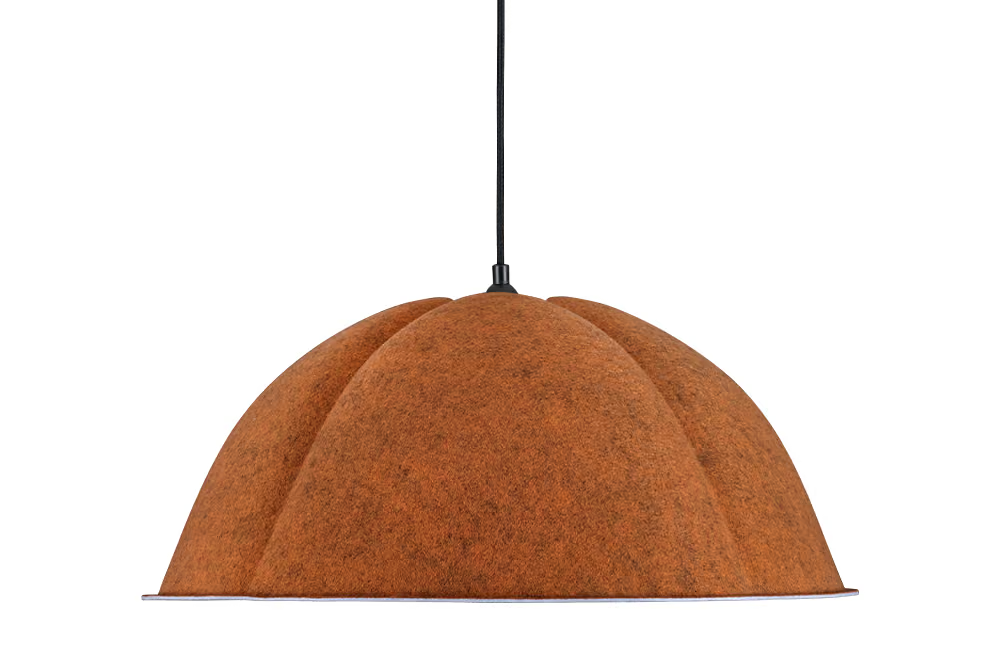
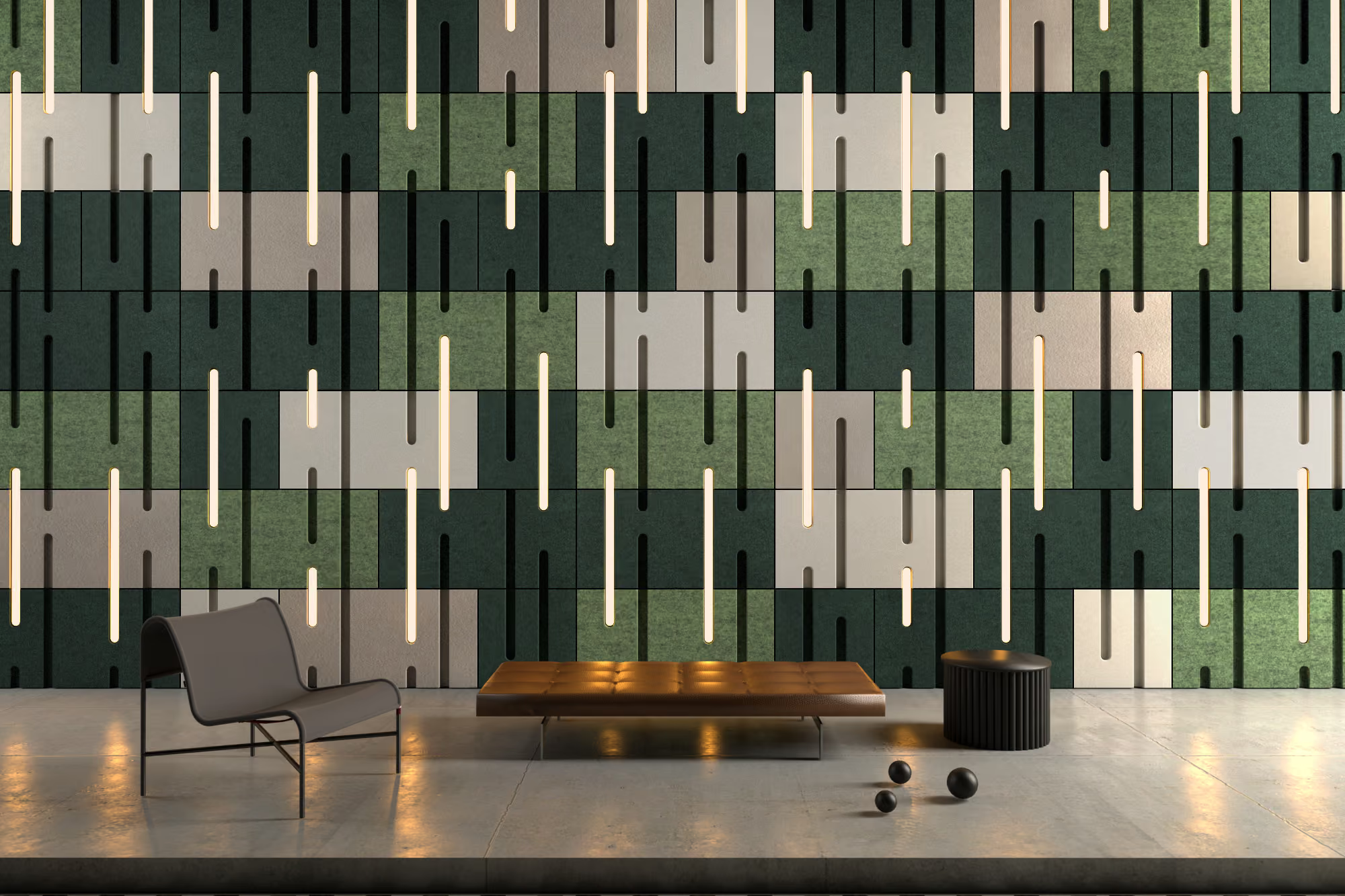
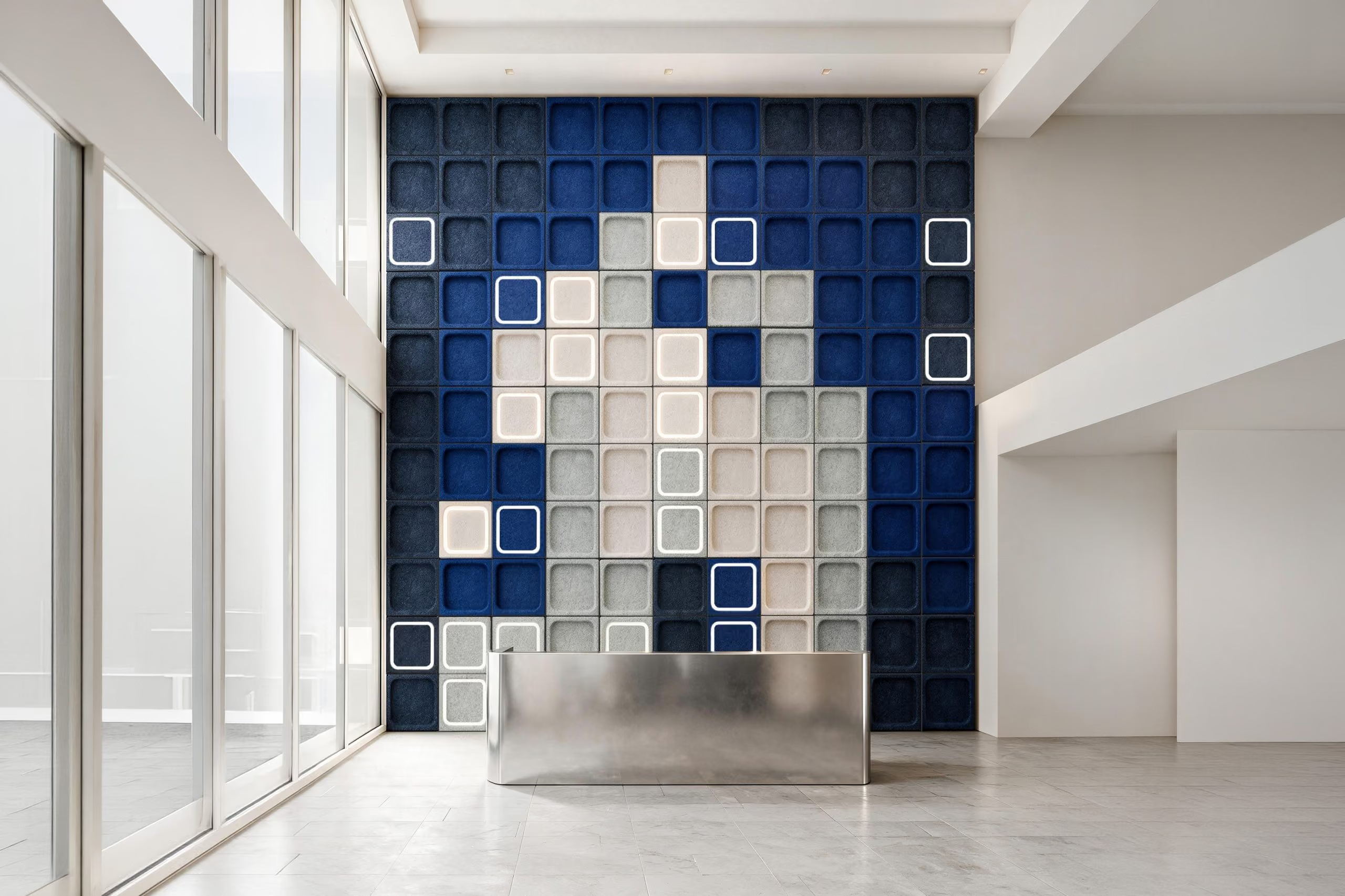
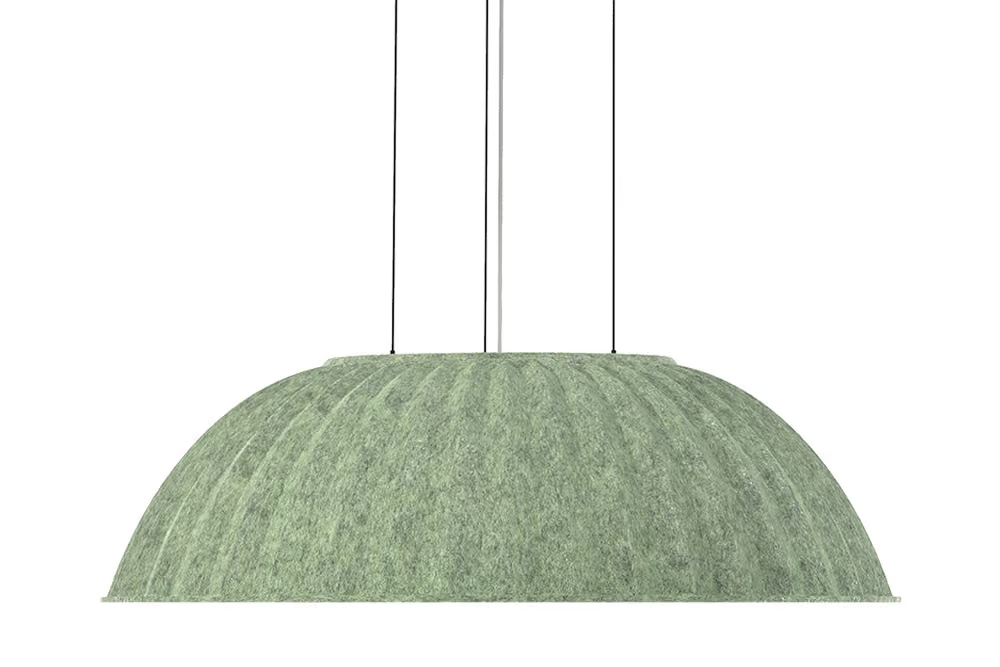
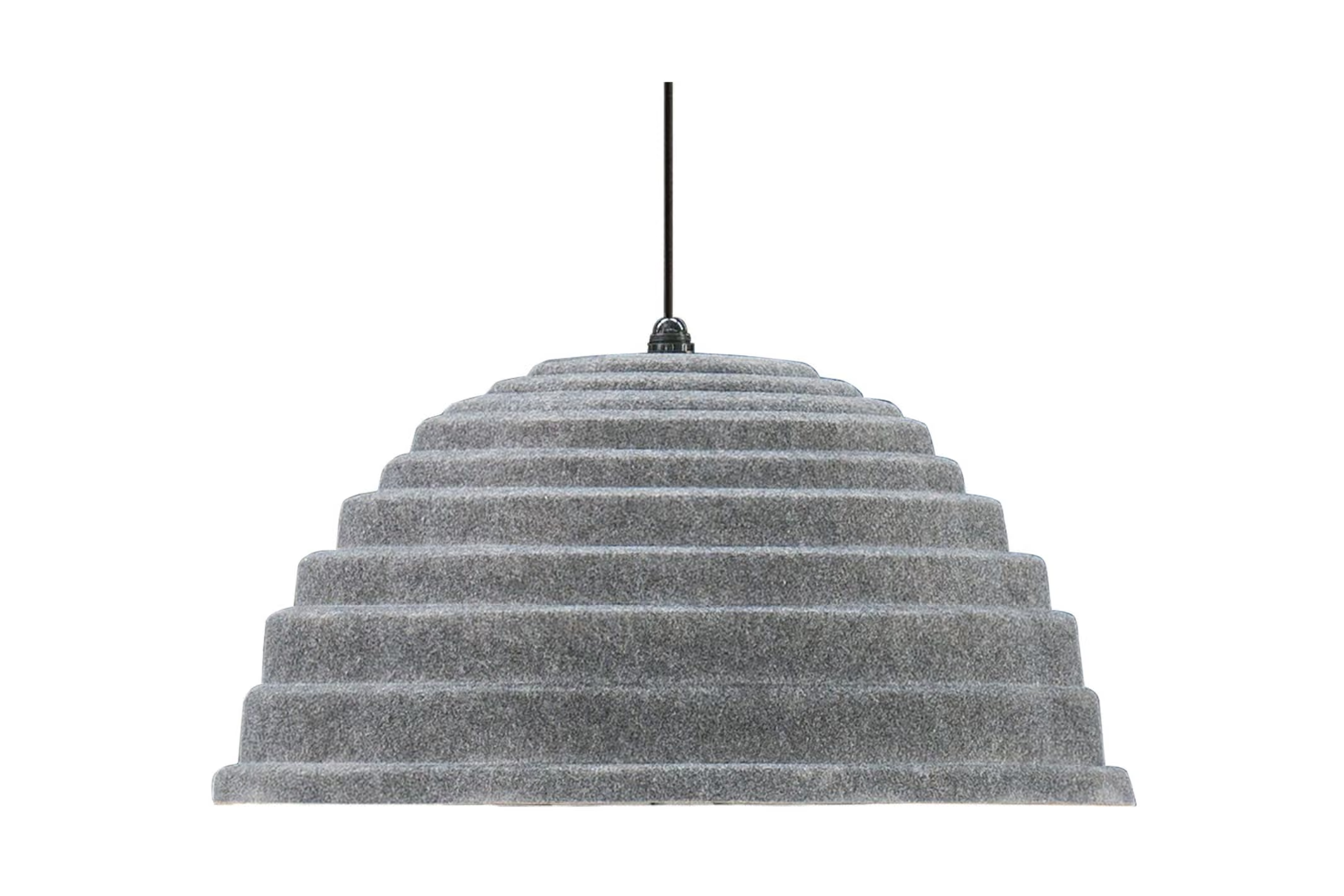
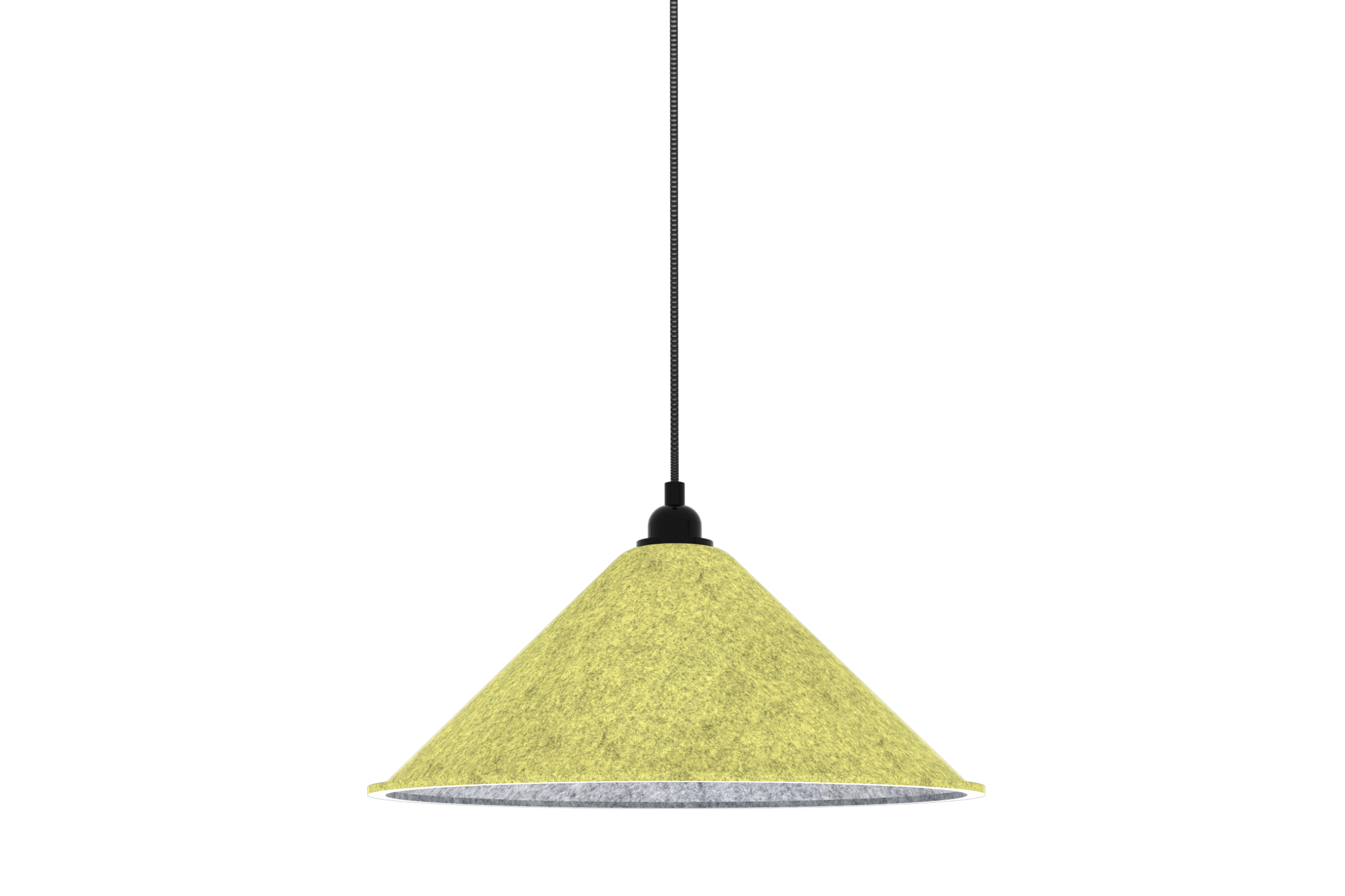
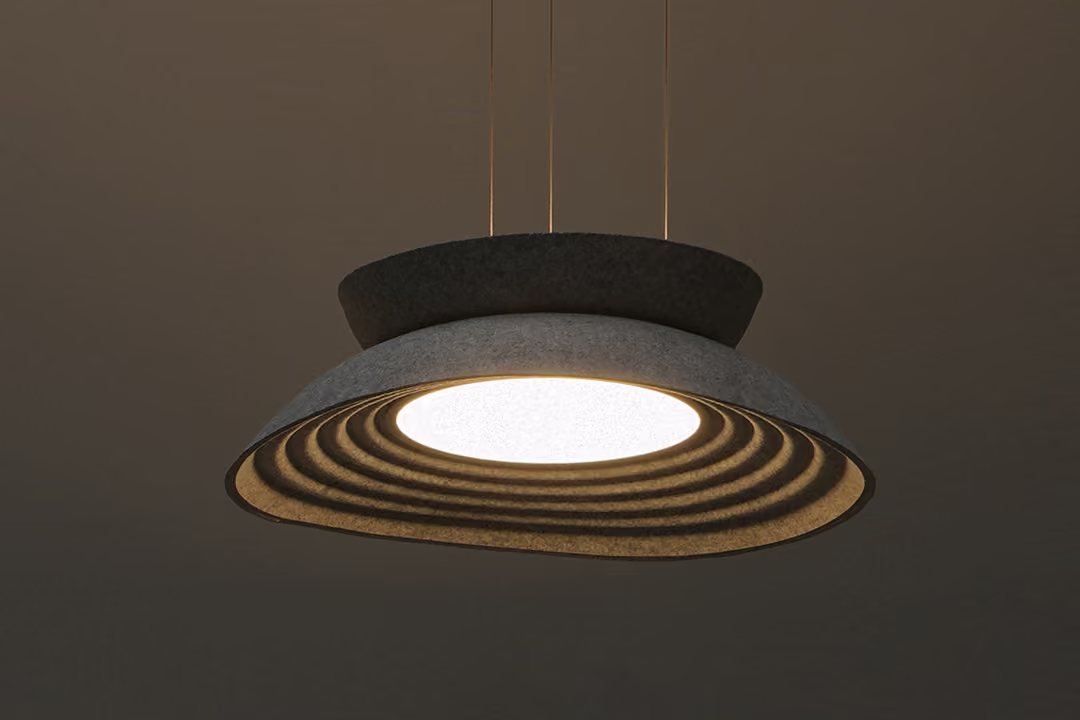
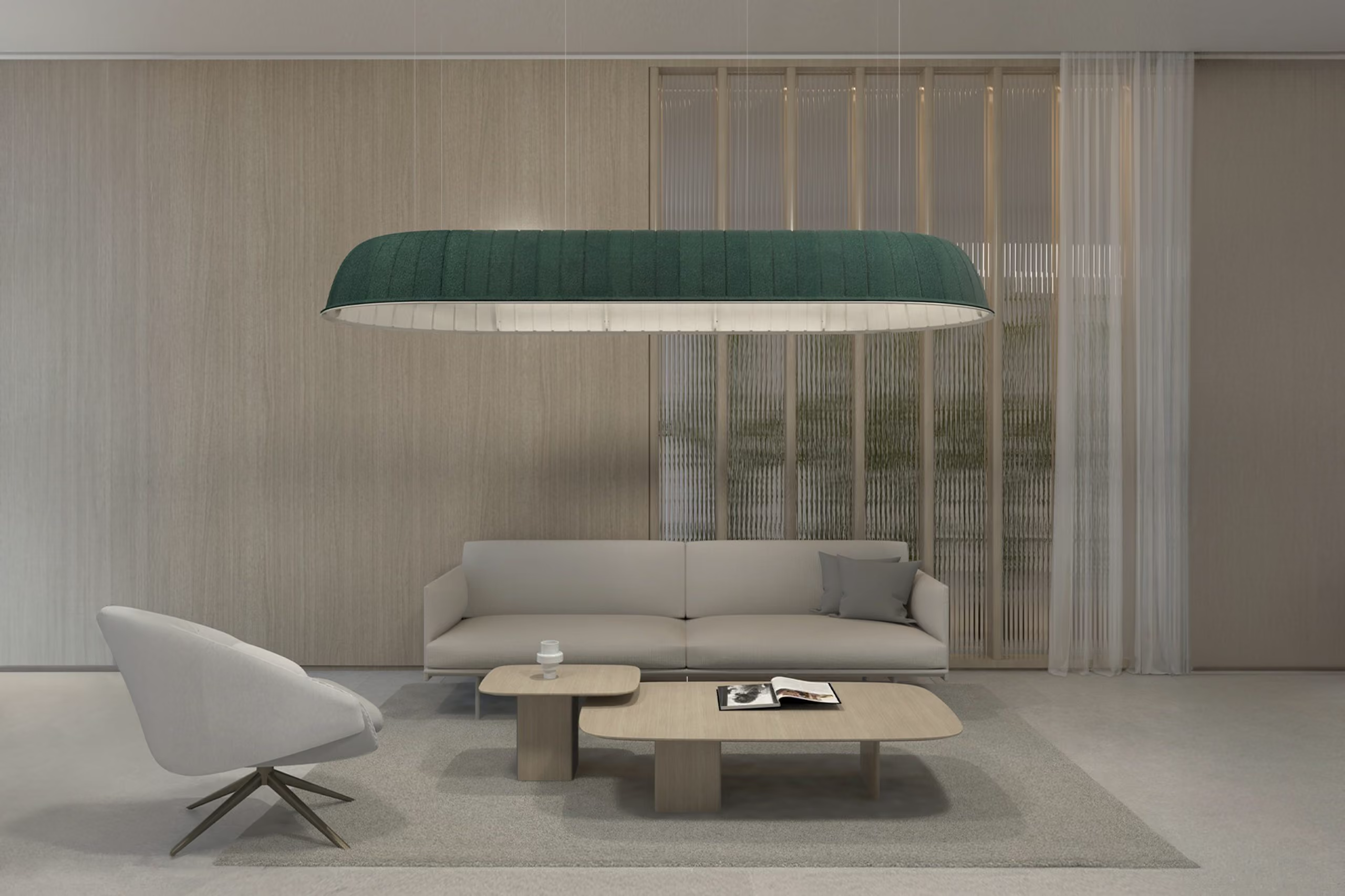
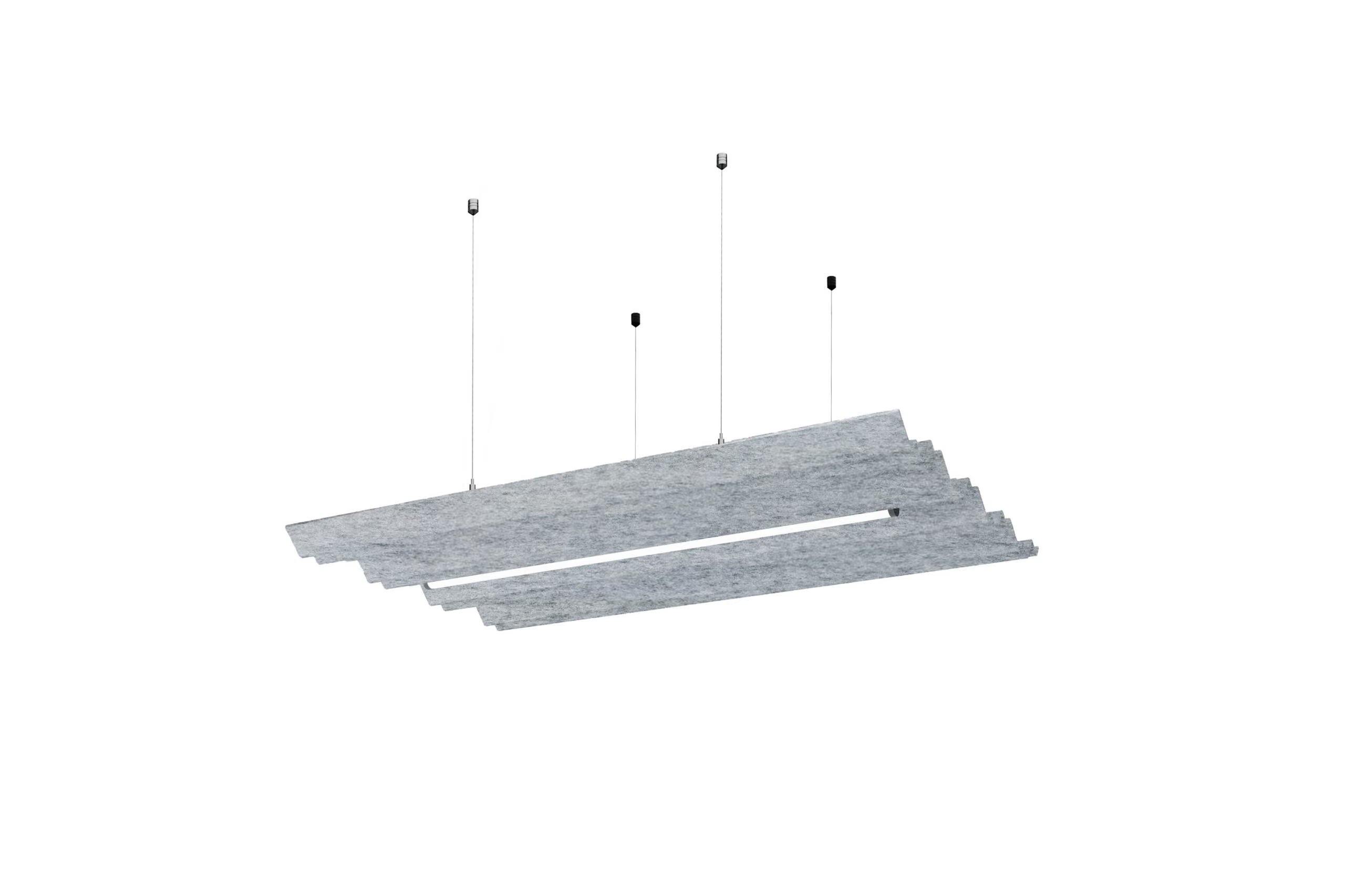
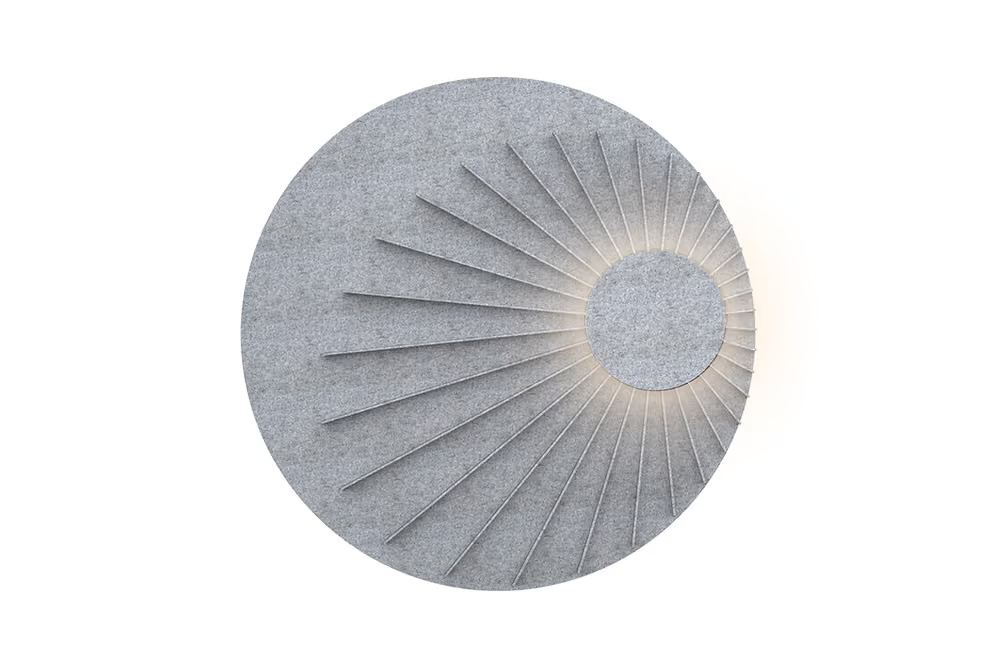
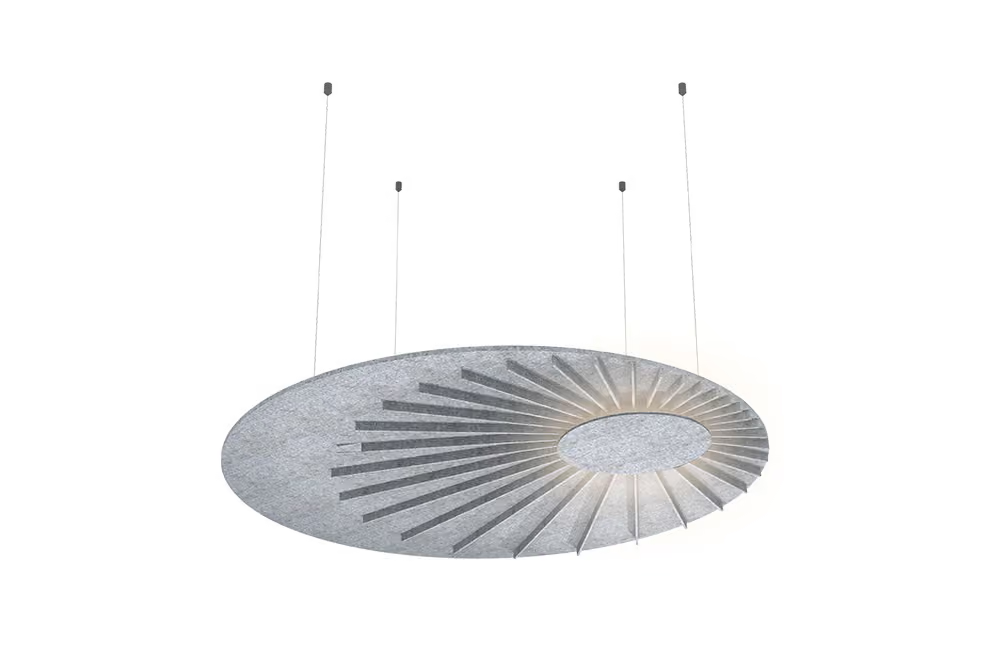
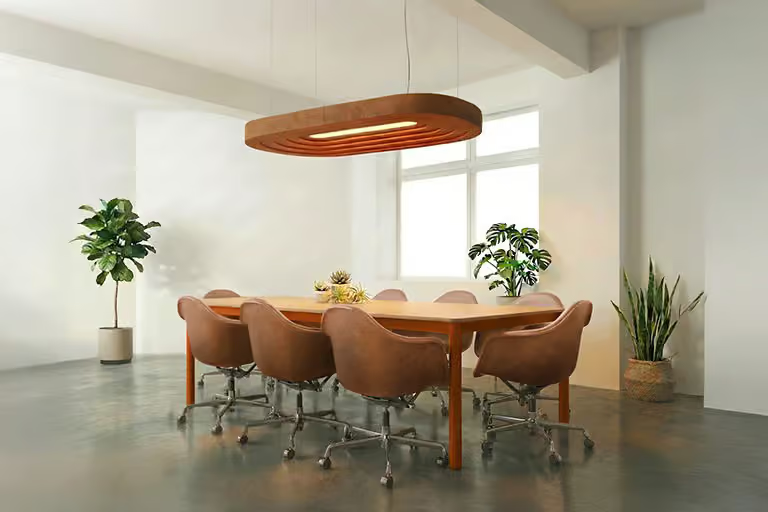
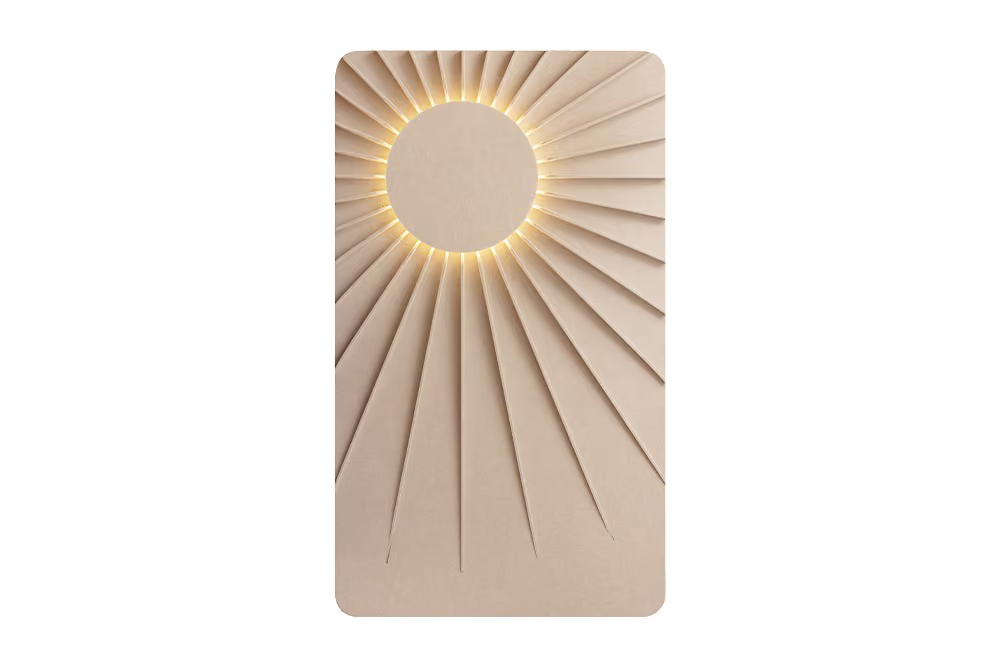
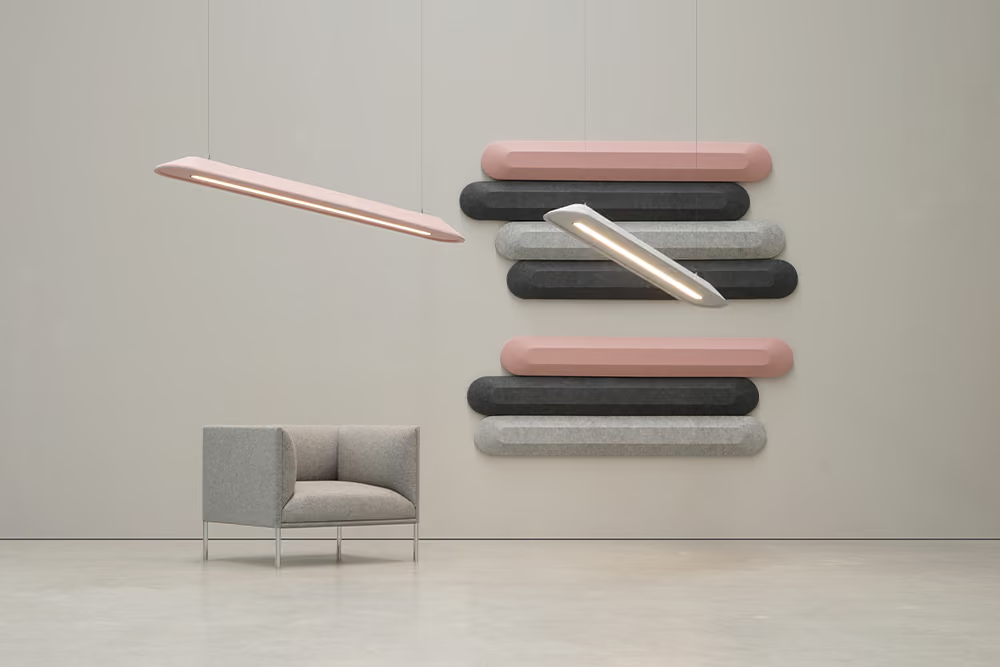
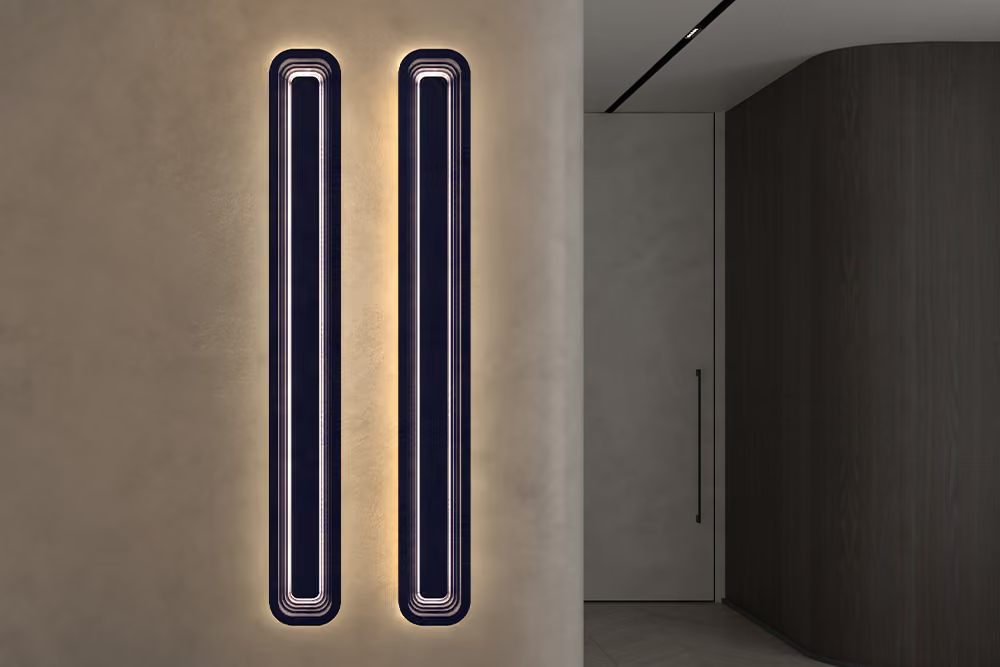
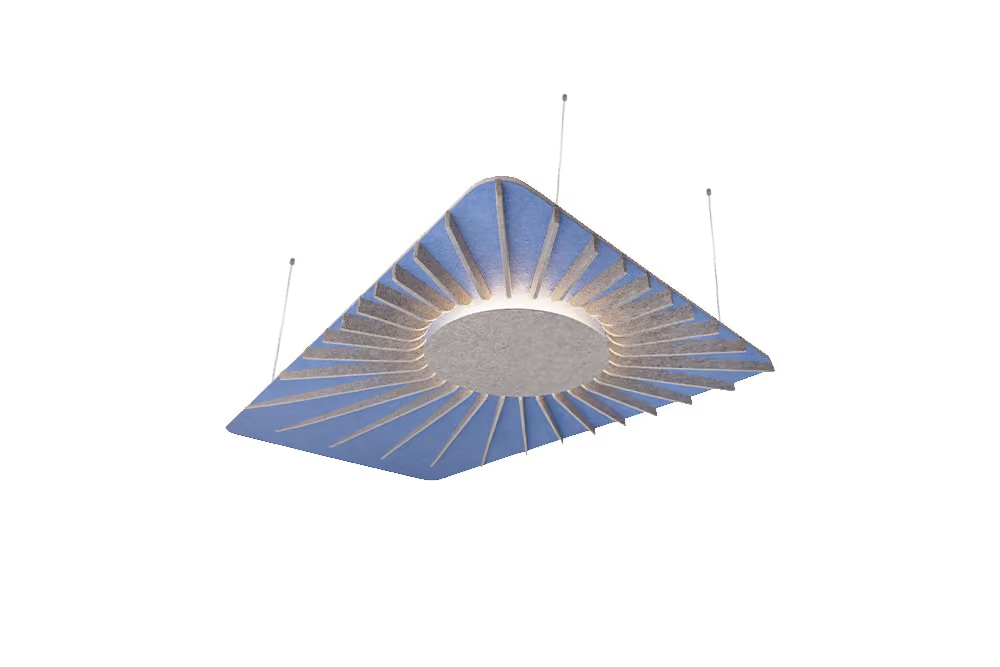
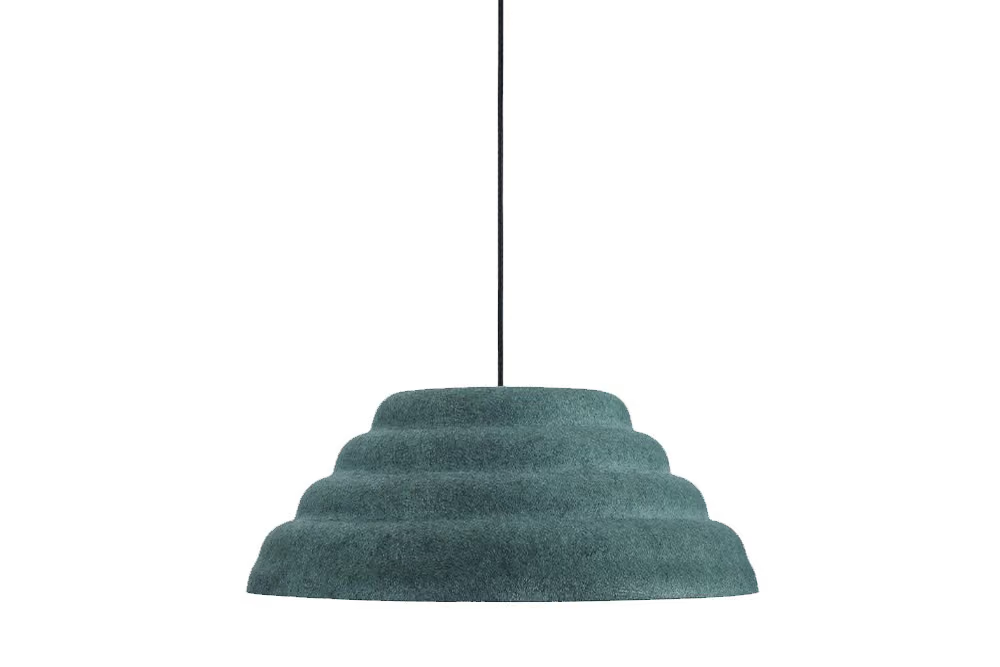
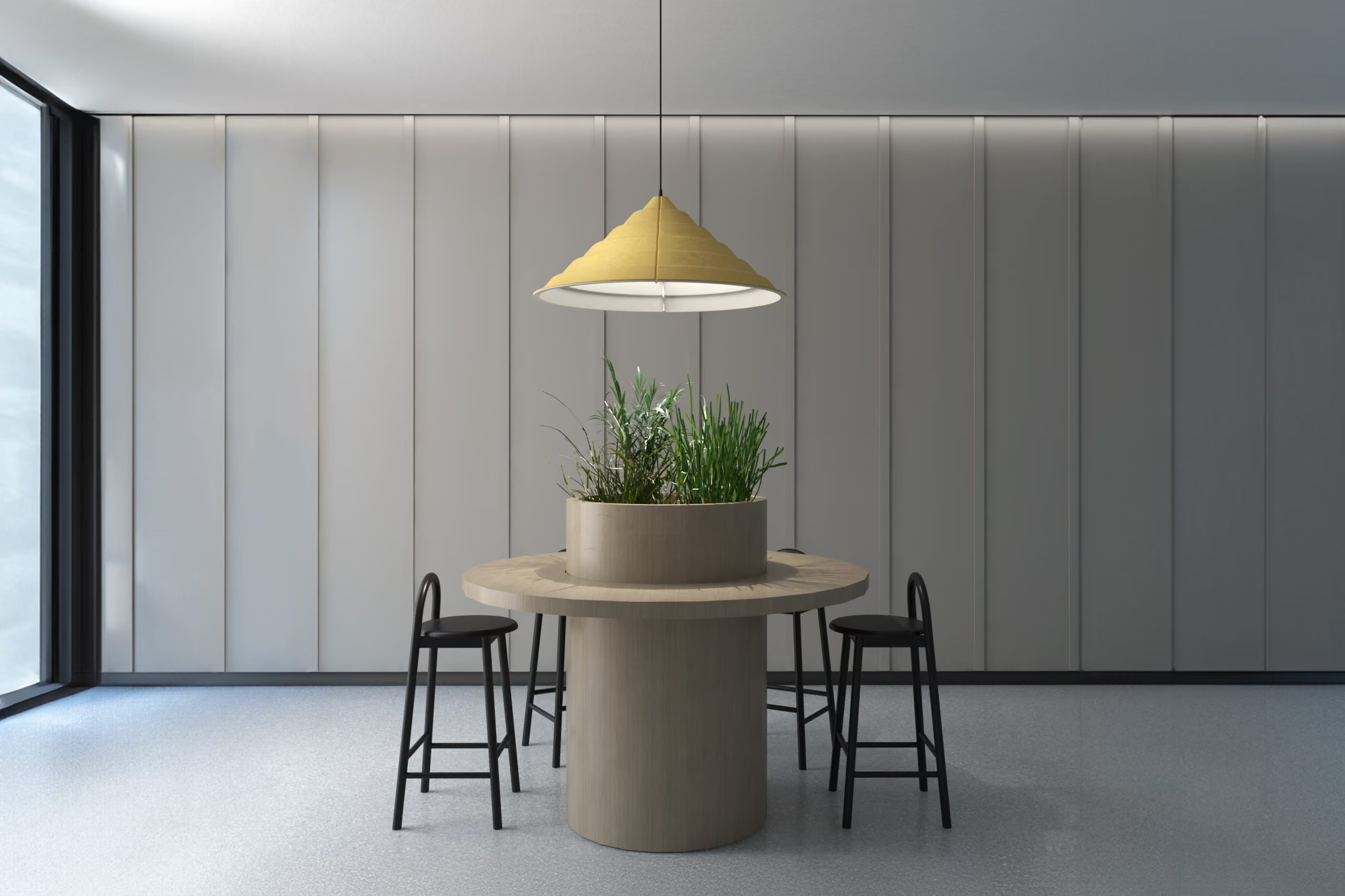
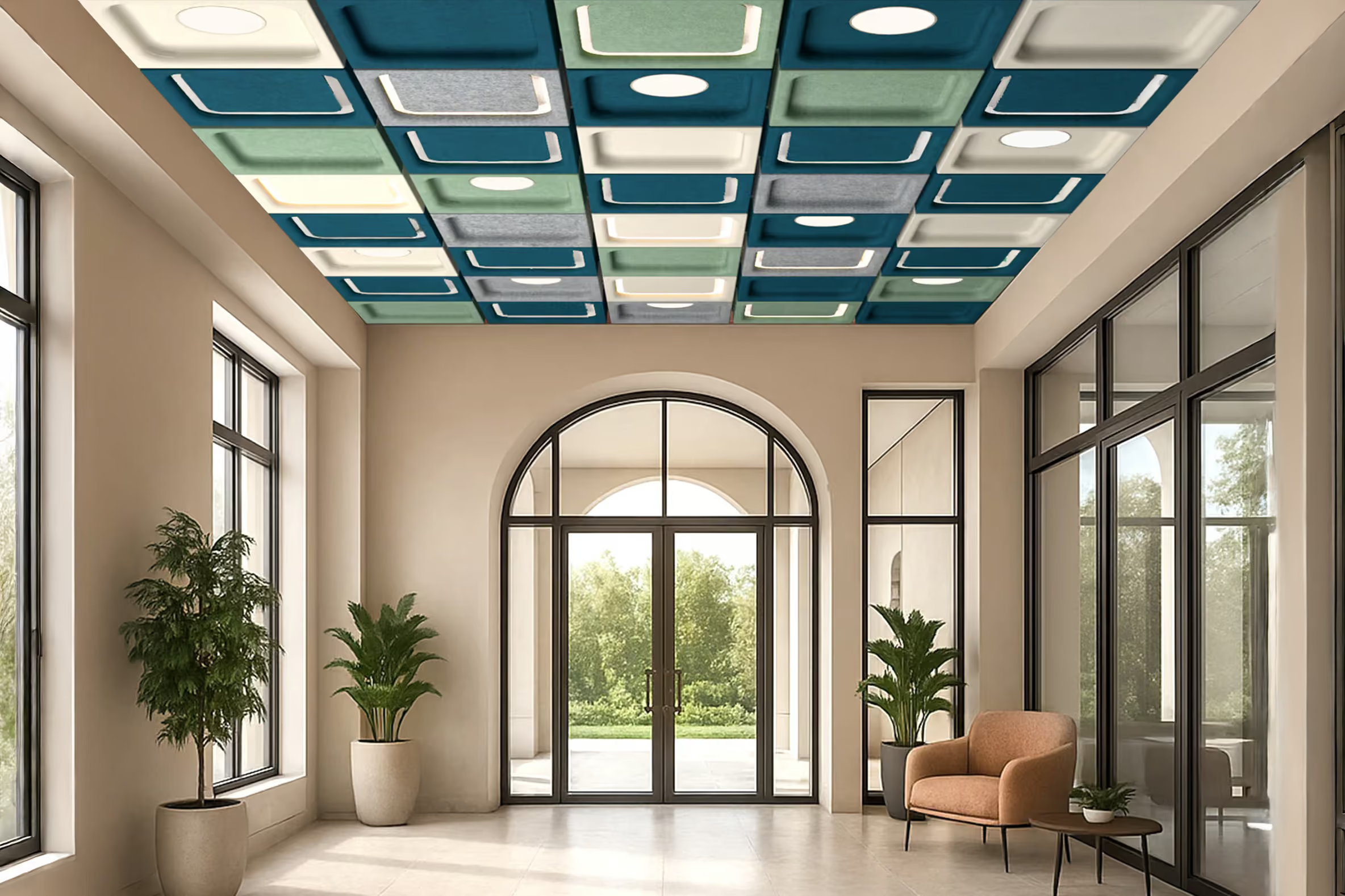
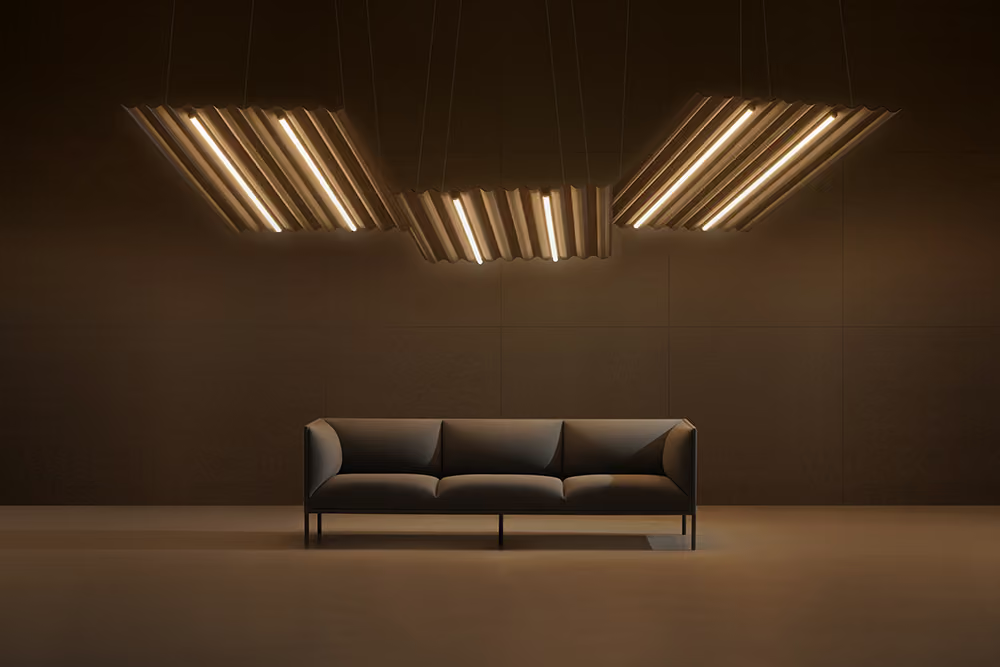
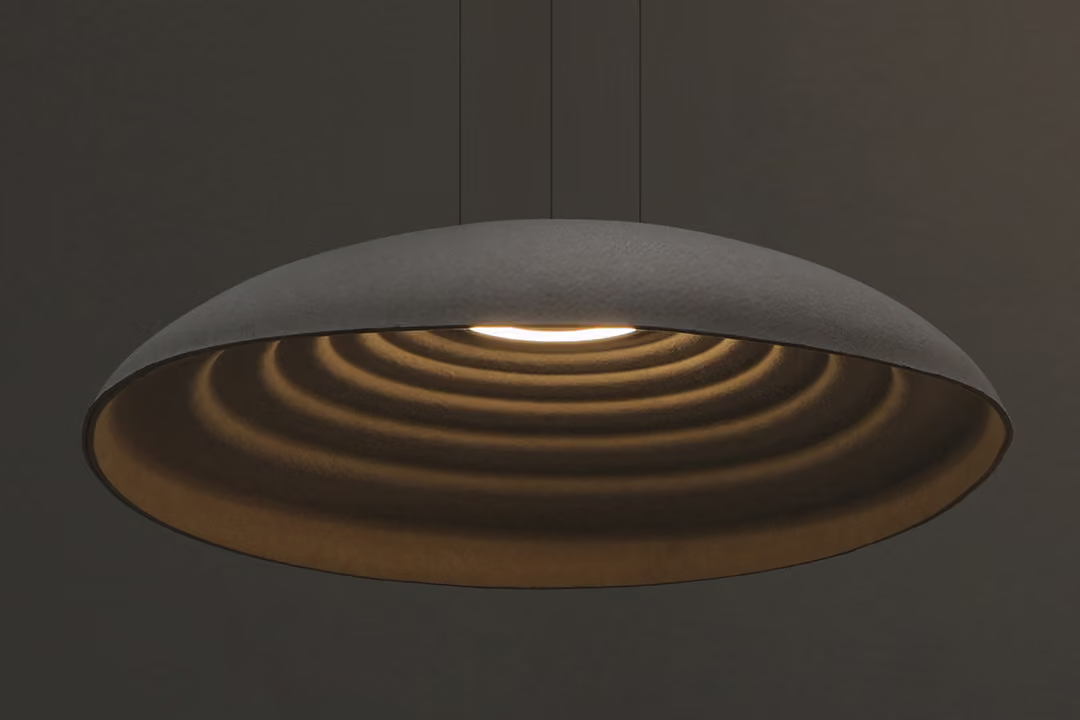
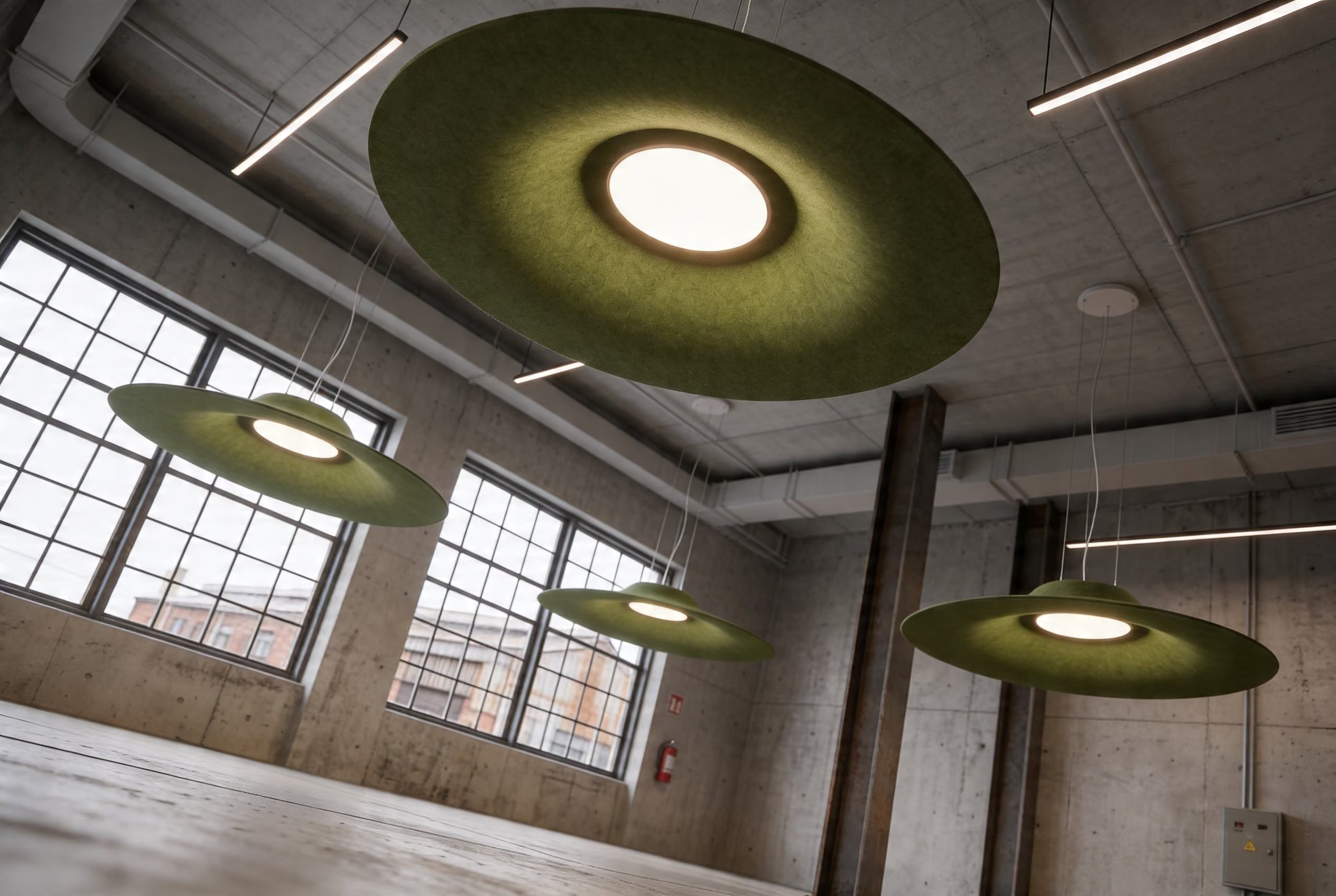
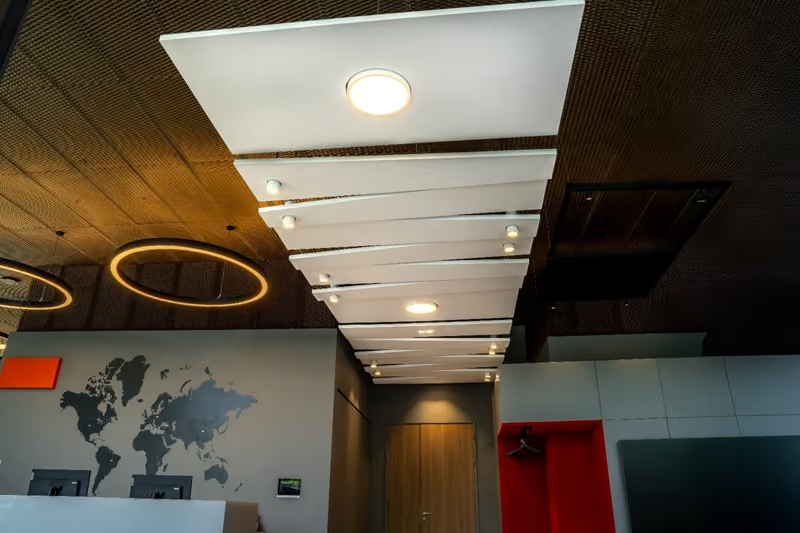
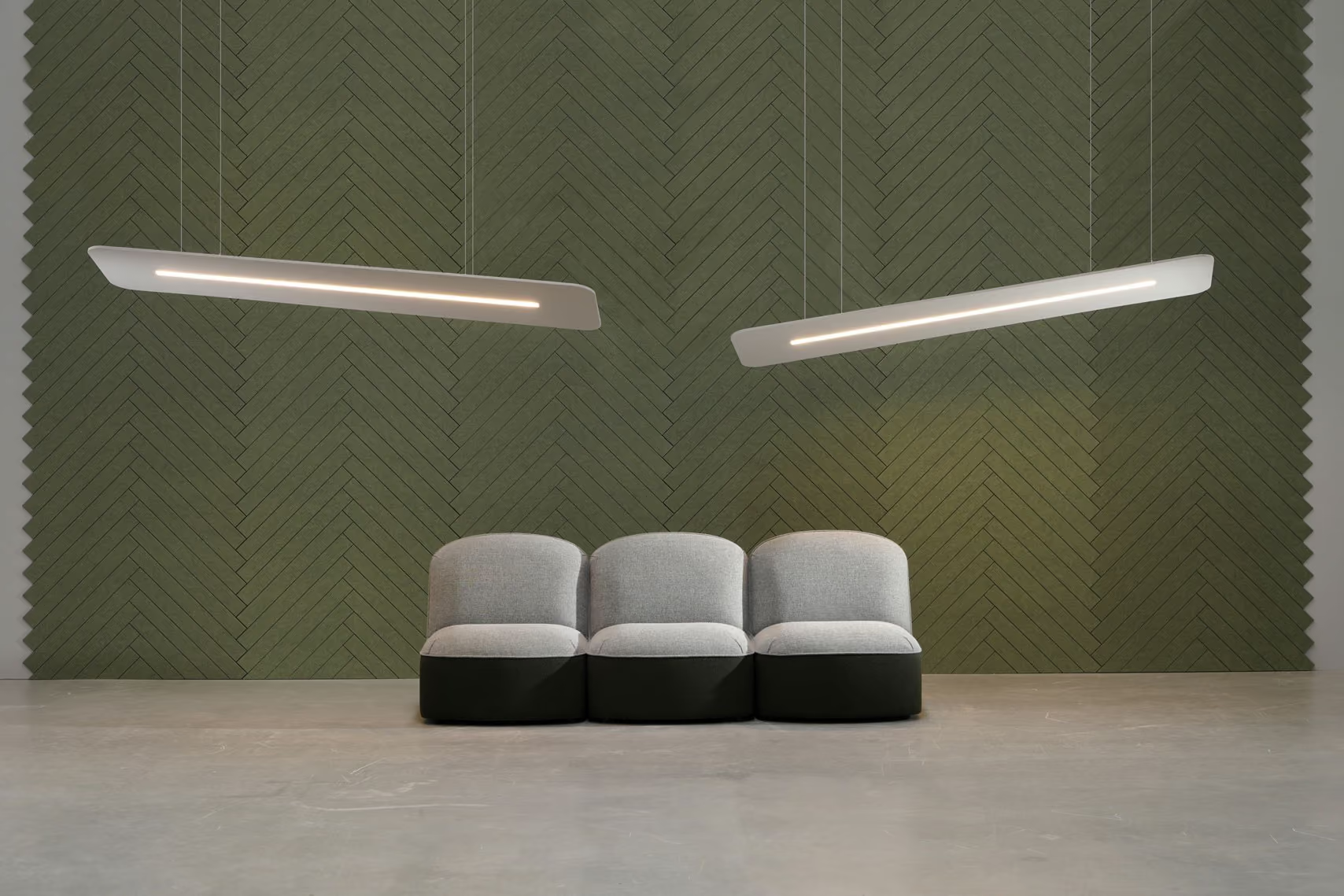
Acoustic lighting combines illumination and sound absorption in a single fitting, so a room gains both without a separate ceiling treatment competing for space. A PET felt or acoustic-fabric body diffuses light softly while reducing reverberation, as a pendant, wall light or ceiling panel.
It suits reception areas, meeting rooms and hospitality interiors where a bare acoustic panel would look like equipment. We specify fixtures to meet both the lighting and acoustic brief, then supply and install across the UK, with connection by your electrician.
Sound absorption
A PET felt or acoustic-fabric body quietly reduces reverberation while diffusing light.
Design flexibility
Pendant, wall-mounted or ceiling-integrated formats fit reception, meeting and hospitality interiors.

Acoustic Lighting
Explore more acoustic products


From first survey to final finish
Seven stages, one point of contact. Book a free survey or call +44 1908 880191, and we'll come back to you with the next step.

An acoustician visits the site, or works from your drawings and photos when a visit isn't practical. Either way, the room, its surfaces and how it is used are recorded before any advice is given.

Reverberation, ambient noise and noise transfer are read against what the space is used for. The findings arrive as an AI-assisted acoustic report with recommendations, yours to keep with no obligation to proceed.

Treatment is modelled against a reverberation target, then drawn up with panel positions, fixings and finishes. Nothing moves forward until you have approved the design.

Every quotation comes with the specification behind it, listing products by type, quantity and finish with costs set out line by line. What is quoted is what the design calls for.

Panels, baffles, ceilings and screens come from the manufacturers we work with and are supplied to the approved specification. What arrives on site matches what was designed.

Our installation team fits to the approved drawings, checking positions and fixings as they go. One team supplies and installs the treatment.

Optional paid add-on: after fit-out the space can be measured again and compared with the original survey, so the improvement is measured rather than assumed. Compliance testing is carried out with our testing partner, EMC Acoustics, and the written record goes into your building file.
Trusted on schools, venues and landmark halls








Specification, performance and installation
Your product questions, answered.
Most can replace or supplement standard fittings, but the electrical connection has to suit your circuit. We check the existing wiring, load and controls at specification stage, before anything is ordered, and connection is by your electrician.
Less, because a fitting has less absorbing surface than a panel. Acoustic lights work best as a contribution alongside wall or ceiling treatment, not as the only fix for a noisy room. We calculate how many you would need to make a real difference.
Yes. Wiring and connection are carried out by your electrician, alongside our acoustic fixing. That covers connection to the circuit, earthing and any dimming controls, and it keeps the installation safe and compliant.
Most ranges support standard dimming, but compatibility depends on the fitting, the driver and your existing lighting circuit. We confirm the dimming type at specification stage, before you order, to avoid flicker or noise from a mismatched dimmer.
Fittings use standard, replaceable components wherever possible, so a failed lamp or driver does not mean replacing the whole fixture. Check access to the driver when you specify, and keep a spare for hard-to-reach locations.
Too noisy? Let's talk silence.
Book a FREE site survey, and an acoustician will tell you exactly what your space needs. Rather talk first? Call +44 1908 880191.