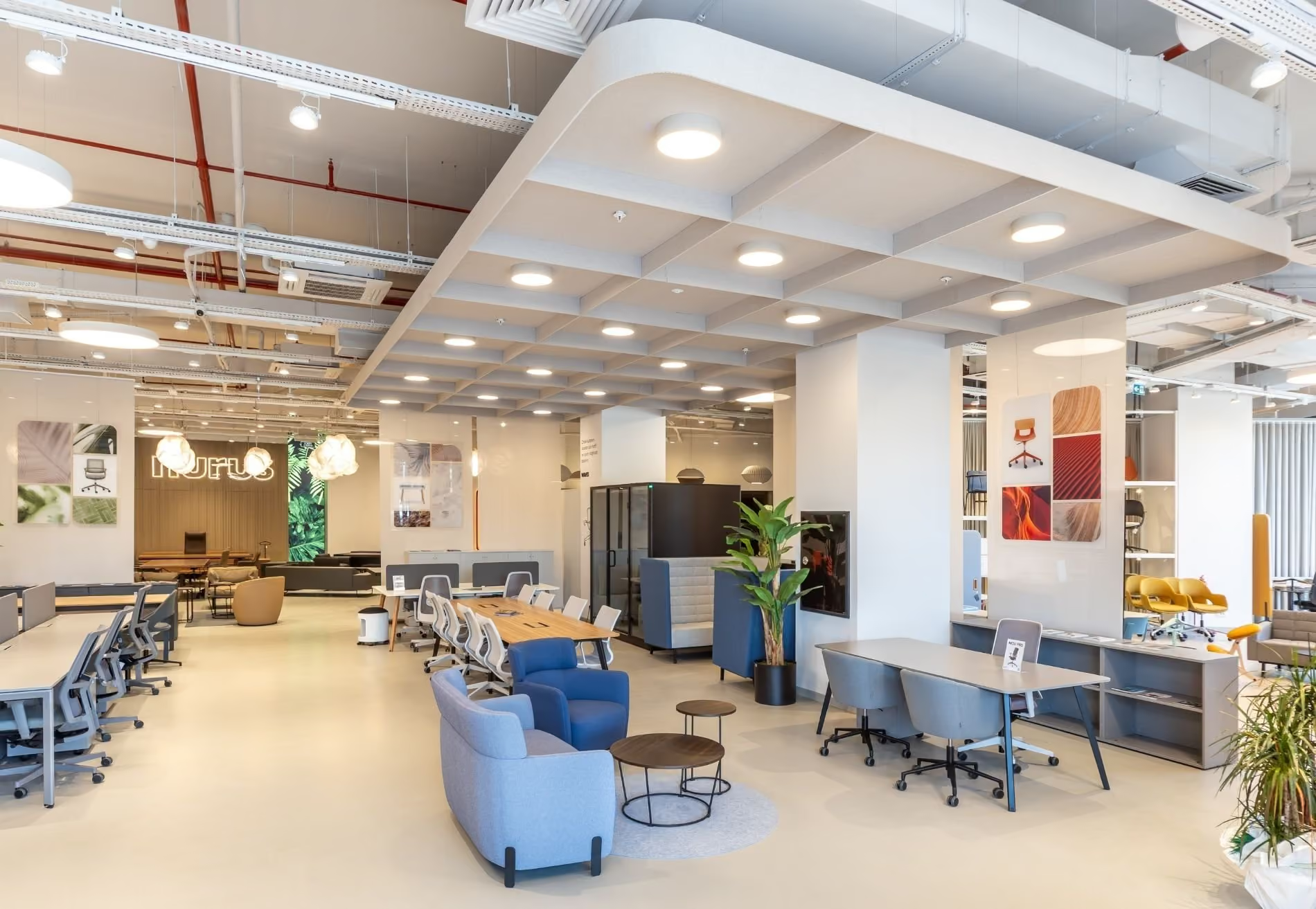
Acoustic Screens
A screen blocks speech only where it blocks the line of sight
Add privacy without a stud wall
Desk-mounted, freestanding or ceiling-hung: pick by how often the floor gets reconfigured
Screens alone can't fix a reverberant floor, so we pair them with ceiling absorption
Acoustic Screens
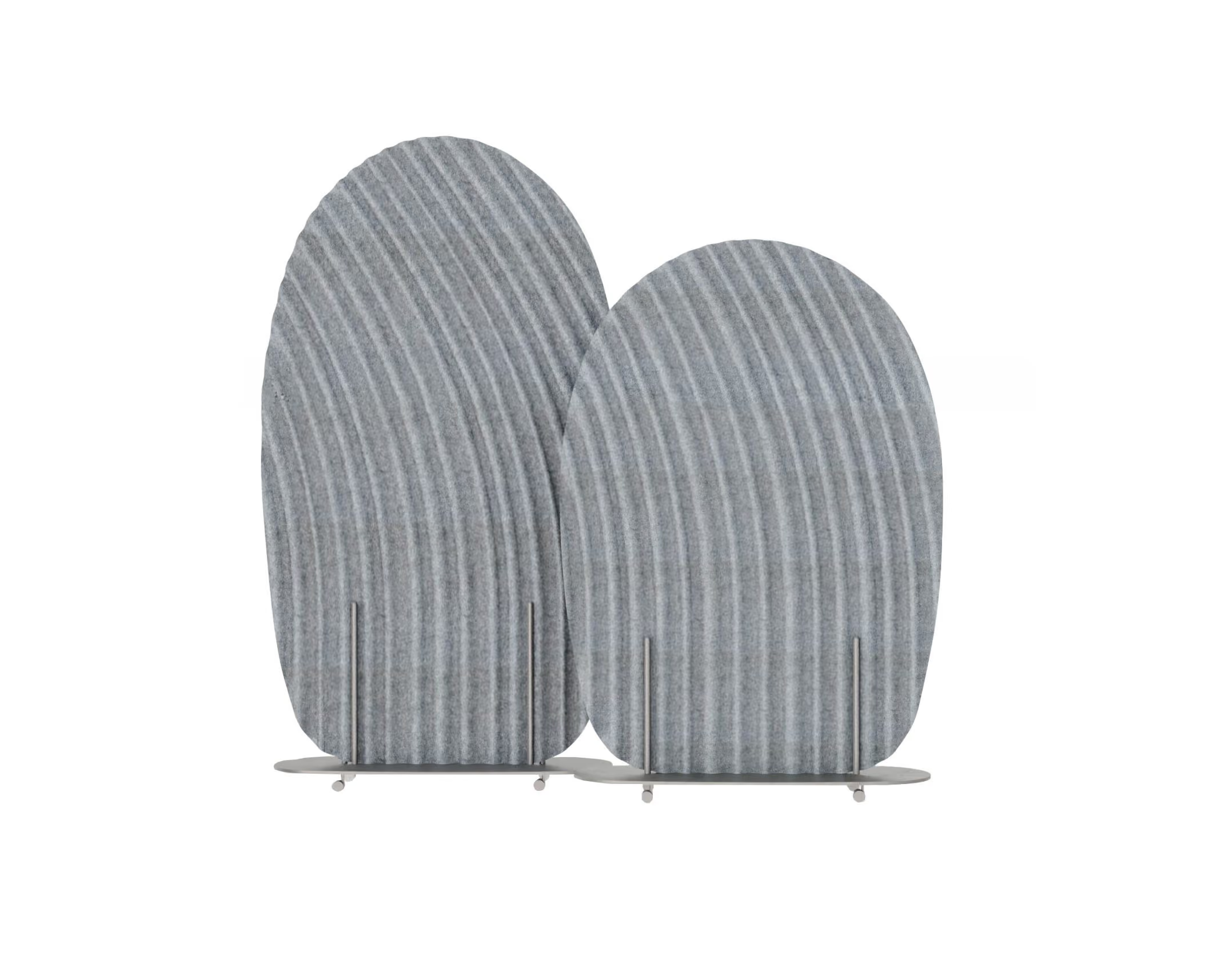
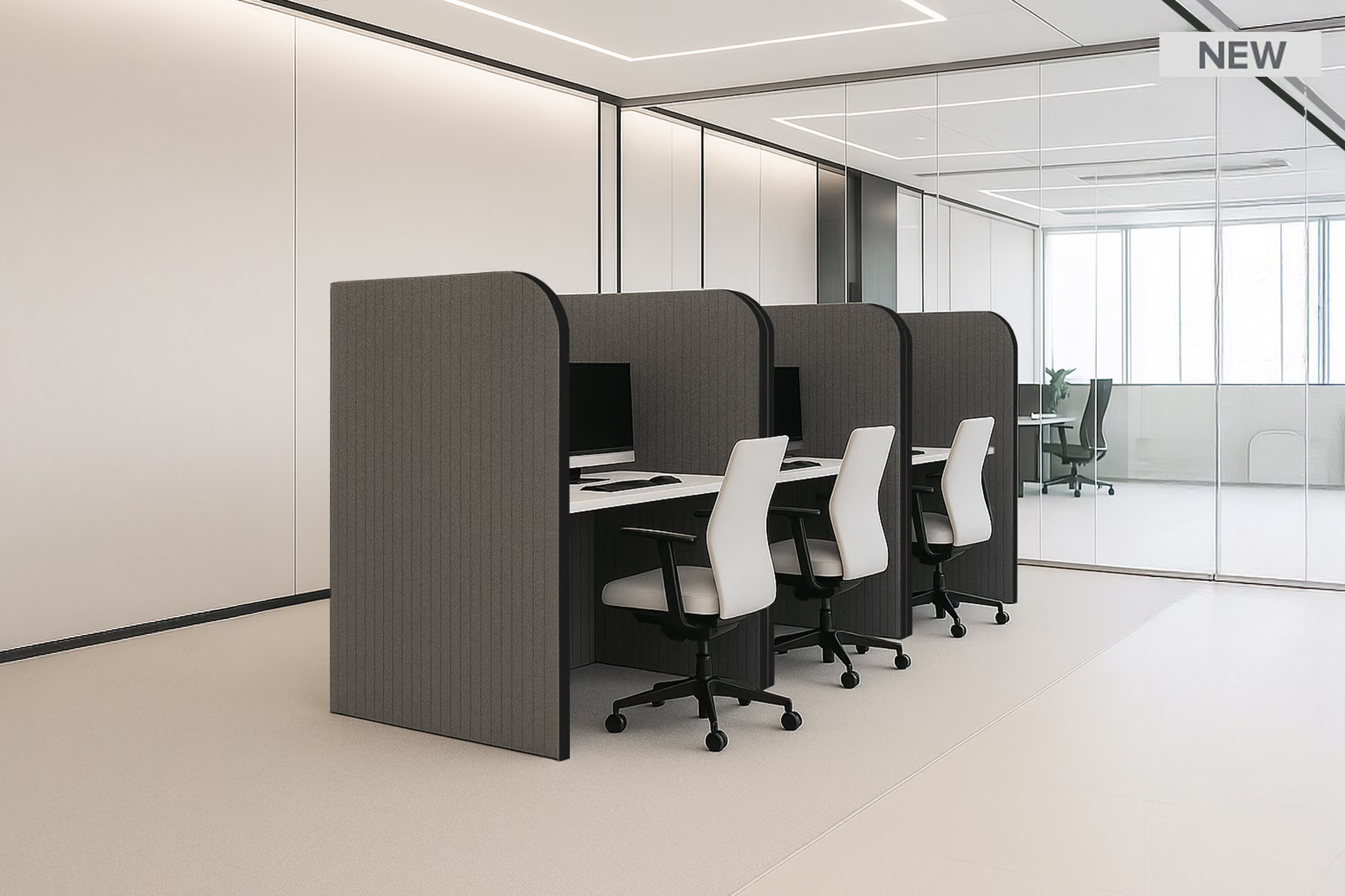
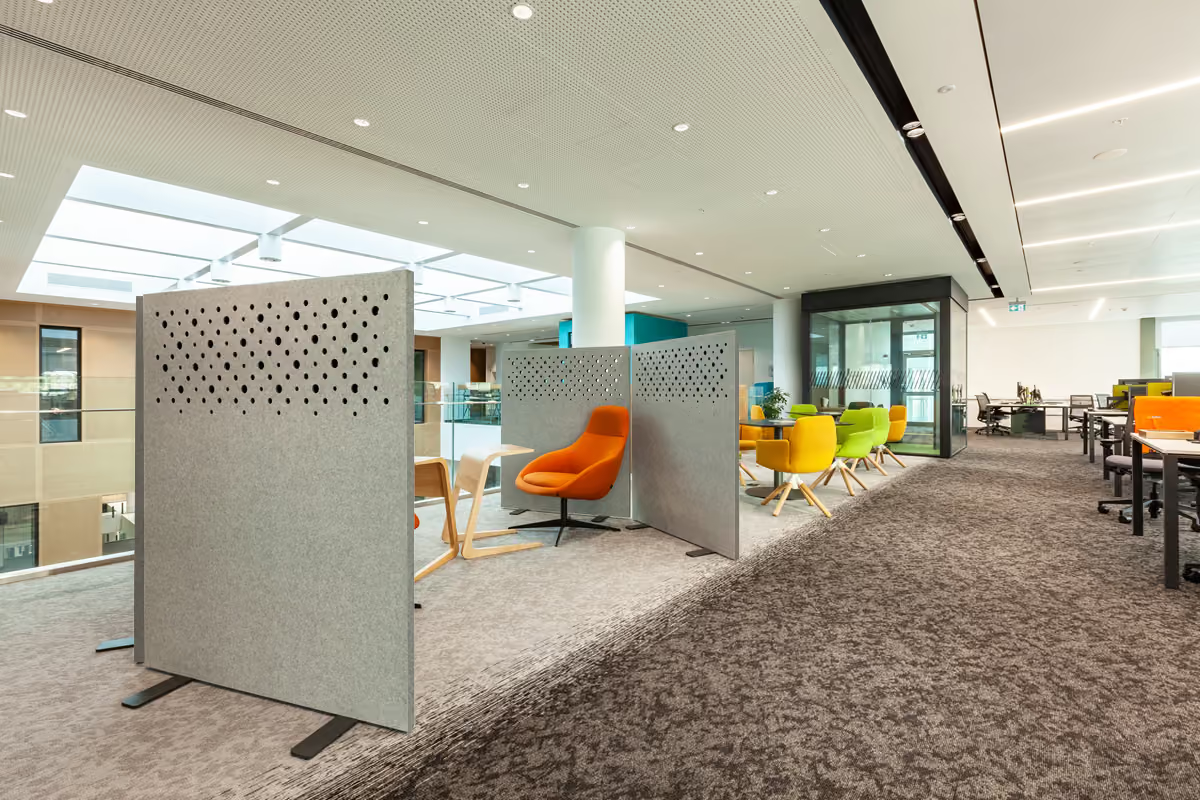
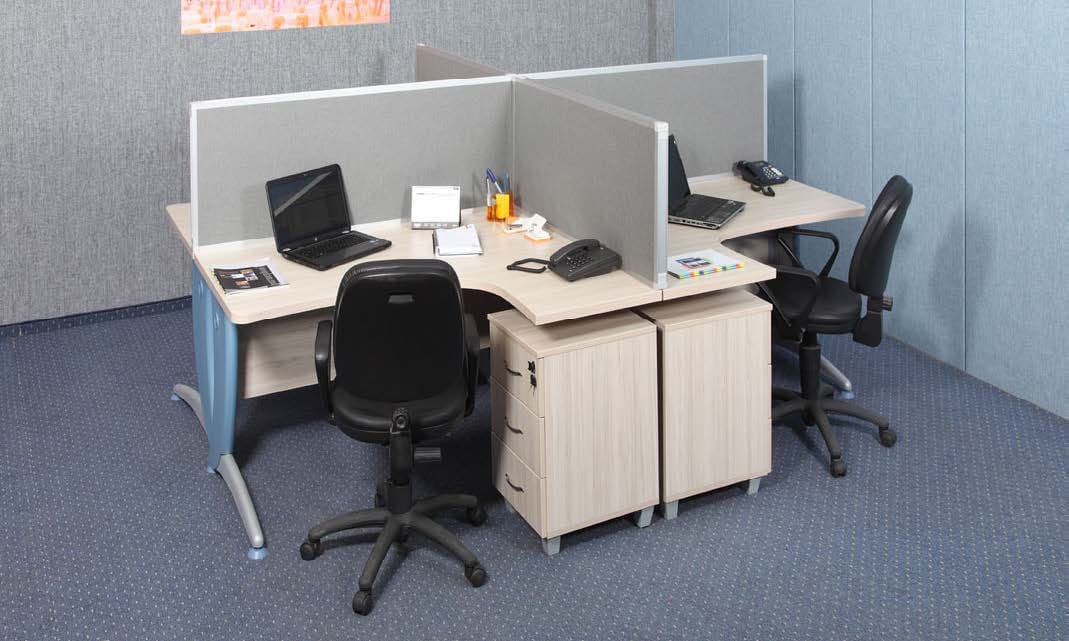
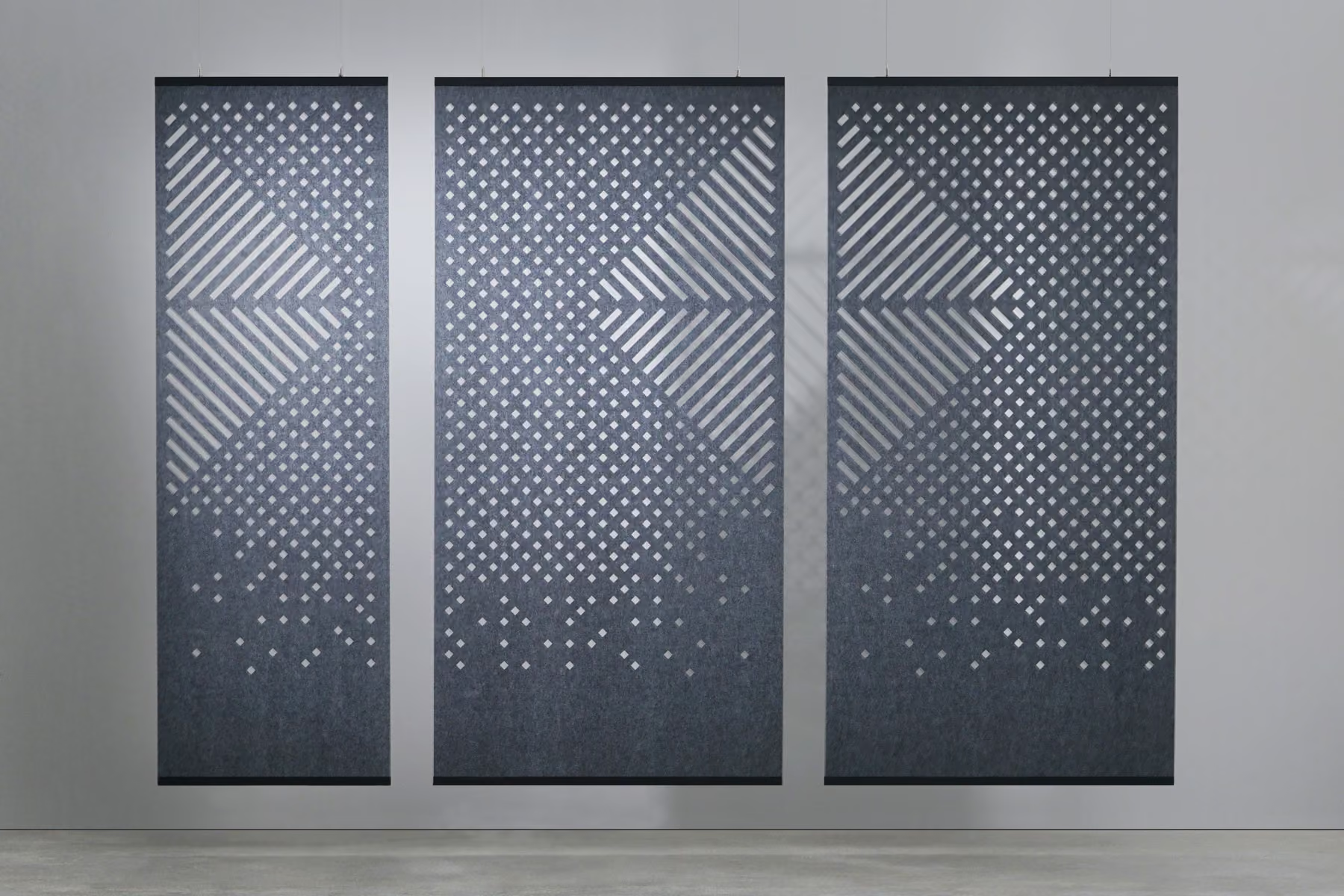
Acoustic screens are desk-mounted, freestanding or ceiling-hung dividers that bring sound absorption down to desk height. They break sightlines and sound paths between workstations, adding speech privacy where open-plan layouts need it, without the cost or permanence of a stud wall.
Screens are modular, so they can be repositioned as teams and layouts change. Combined with ceiling or wall treatment, they address noise at the desk next door. We help you choose height, fabric and mounting method, then supply and install across the UK.
Sound absorption
Desk-height panels absorb sound and break sightlines.
Design flexibility
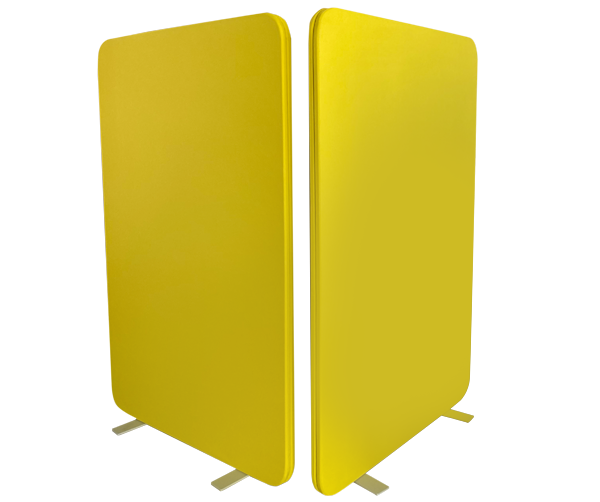
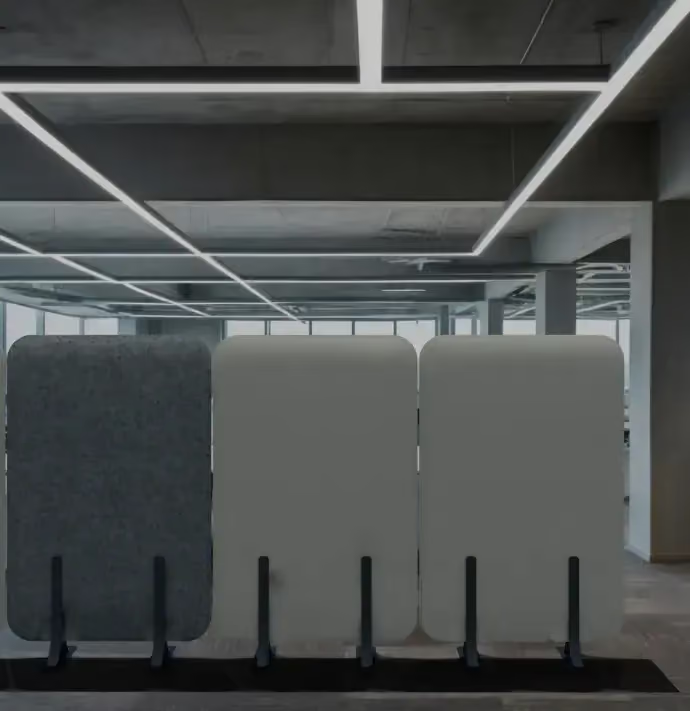
Desk-mounted, freestanding or ceiling-hung; movable.

Acoustic Screens
Explore more acoustic products

From first survey to final finish
Seven stages, one point of contact. Book a free survey or call +44 1908 880191, and we'll come back to you with the next step.

An acoustician visits the site, or works from your drawings and photos when a visit isn't practical. Either way, the room, its surfaces and how it is used are recorded before any advice is given.

Reverberation, ambient noise and noise transfer are read against what the space is used for. The findings arrive as an AI-assisted acoustic report with recommendations, yours to keep with no obligation to proceed.

Treatment is modelled against a reverberation target, then drawn up with panel positions, fixings and finishes. Nothing moves forward until you have approved the design.

Every quotation comes with the specification behind it, listing products by type, quantity and finish with costs set out line by line. What is quoted is what the design calls for.

Panels, baffles, ceilings and screens come from the manufacturers we work with and are supplied to the approved specification. What arrives on site matches what was designed.

Our installation team fits to the approved drawings, checking positions and fixings as they go. One team supplies and installs the treatment.

Optional paid add-on: after fit-out the space can be measured again and compared with the original survey, so the improvement is measured rather than assumed. Compliance testing is carried out with our testing partner, EMC Acoustics, and the written record goes into your building file.
Trusted on schools, venues and landmark halls








Specification, performance and installation
Your product questions, answered.
Tall enough to break the line of sight between seated colleagues, because a screen only blocks speech where it blocks the direct path. Sound bends over the top and around the edges, so a low screen does very little. We set height from your desk layout and seated head height.
Freestanding and desk-mounted screens can be repositioned as teams and layouts change, while ceiling-hung screens are more fixed once installed. Choose by how often your floor is reconfigured: frequent change suits freestanding units, and a stable layout suits hung screens.
Mostly as a side effect. Screens are designed and rated for acoustic performance, and their height and fabric decide how much they screen from view. If visual privacy is the priority, tell us so we can choose the height and construction to suit.
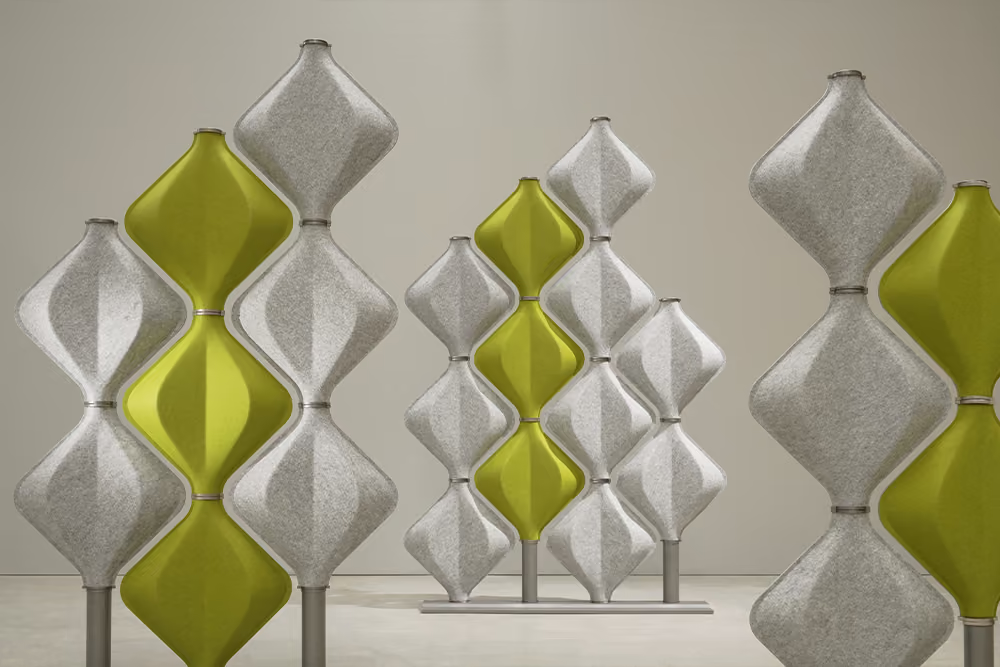
In most cases, yes. Screens come in a wide range of fabrics and colours, and samples are available on request (allow a few working days) so you can check them against your desks and seating before ordering. Confirm the fire rating of the fabric you choose as well as the colour.
It depends on the desk layout, headcount and noise sources, not a fixed ratio. We plot screens on your plan where they interrupt speech paths, and pair them with ceiling absorption, because screens alone do not fix a reverberant floor.
Too noisy? Let's talk silence.
Book a FREE site survey, and an acoustician will tell you exactly what your space needs. Rather talk first? Call +44 1908 880191.